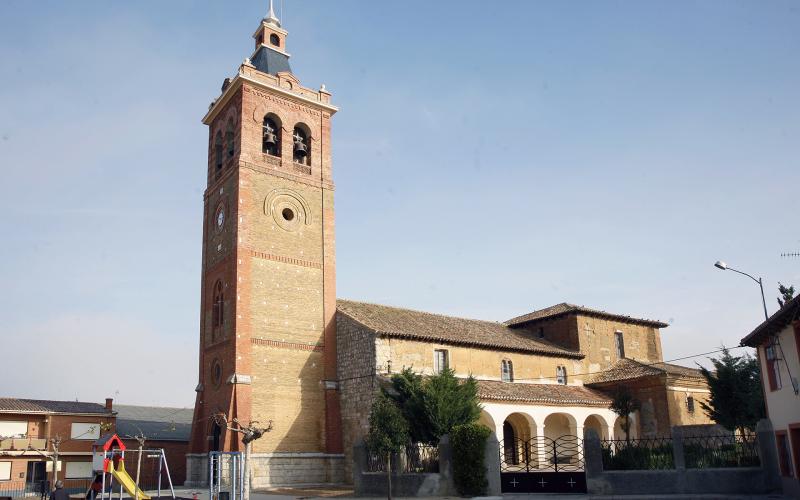
Church of San Román
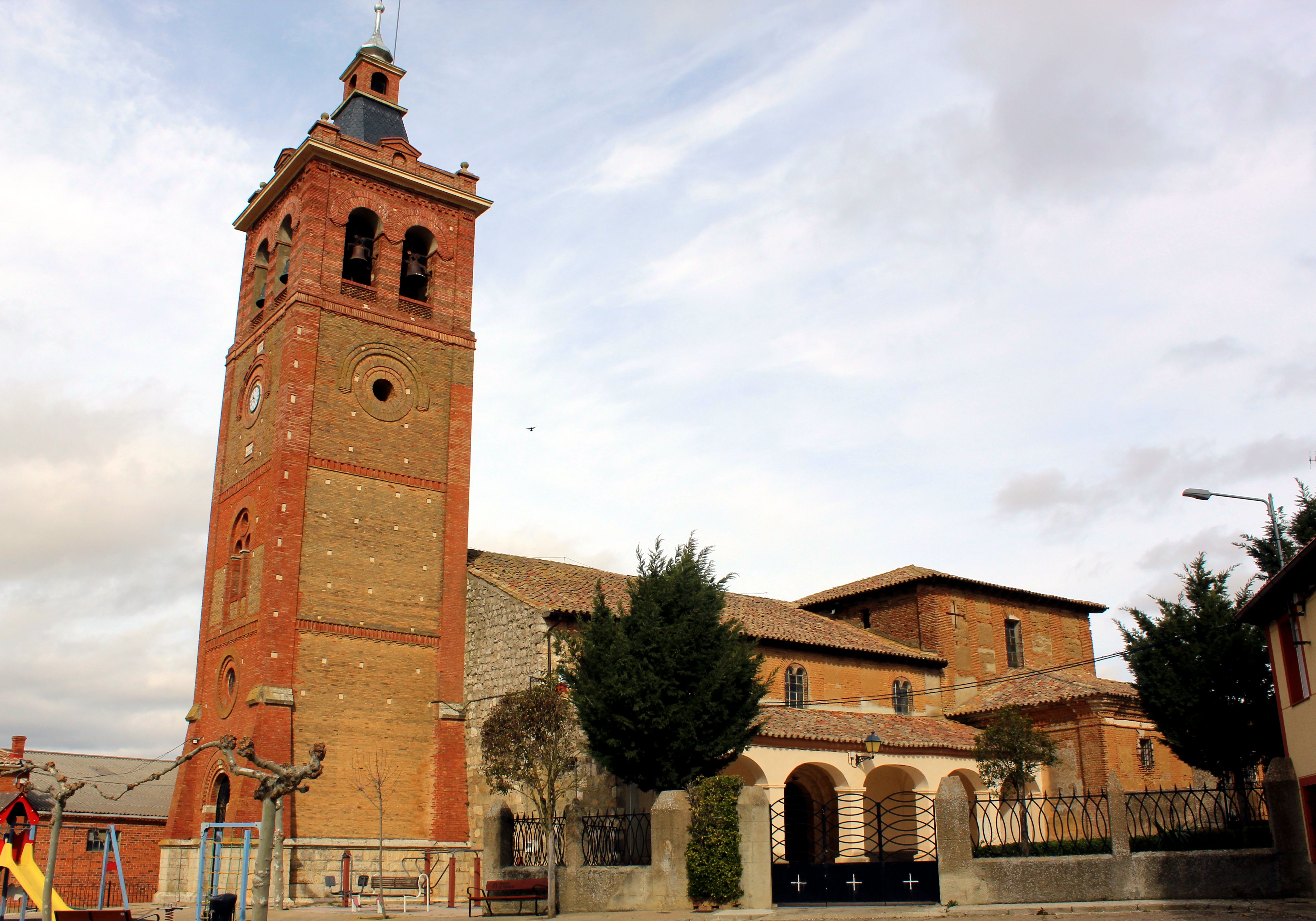
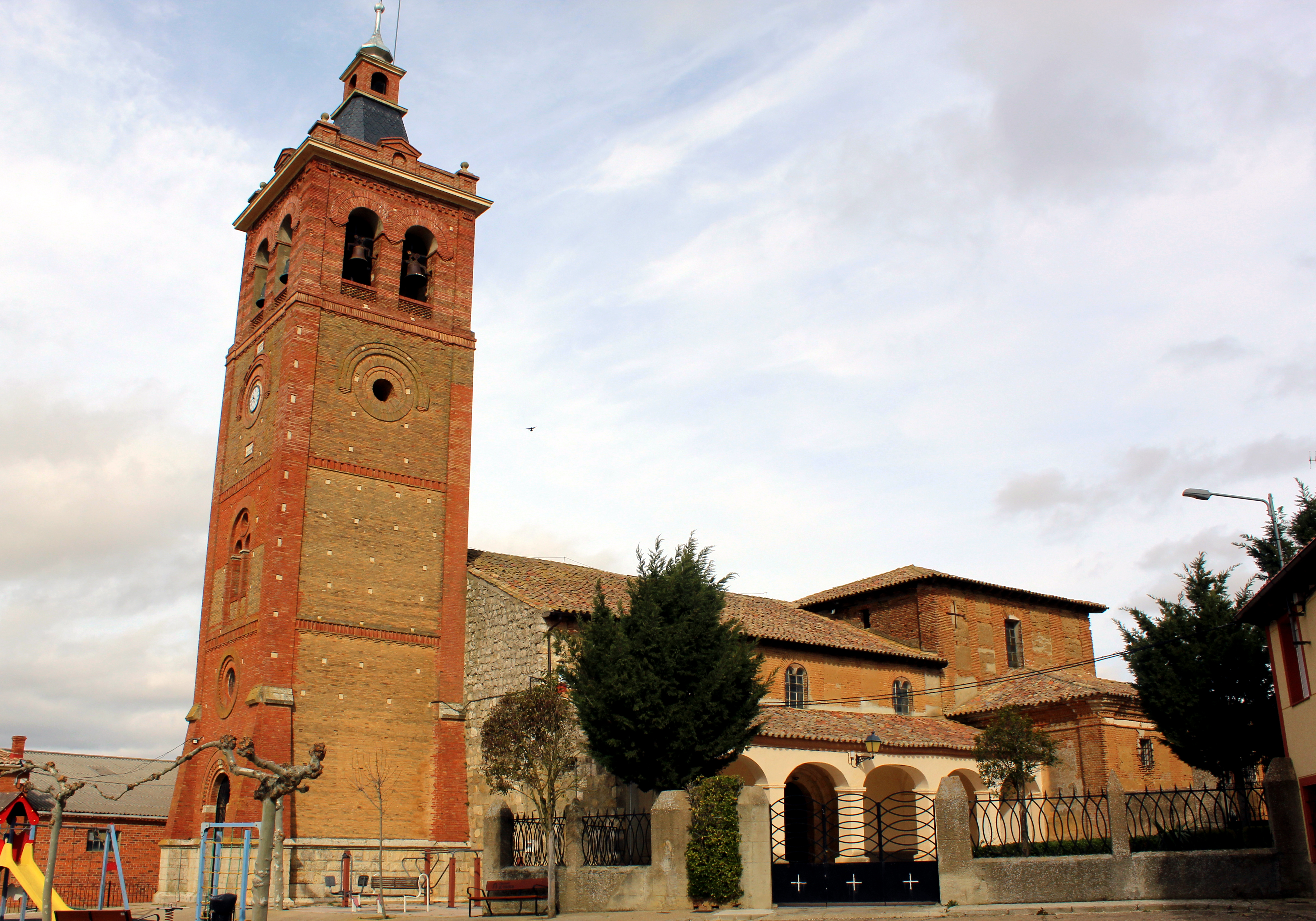
It is a 14th-century Gothic church made up of three naves separated by pillars with groin vaults and Baroque plasterwork. The portal is Romanesque from the 12th century; the tower at the foot, with three sections, dates from 1896, with a project by E. Marquina. Above all, in the nave of the Gospel there is a painting of the Assumption of the Virgin, from the Sevillana School, and its altarpieces: one from the 18th century with a Crucified from the 16th century, and another rococo with various sculptures. In the presbytery there is a major altarpiece from the second half of the 18th century. In the center of this altarpiece, an outstanding sculpture of San Román and a spectacular tabernacle-tabernacle, both works attributed to Manuel Álvarez, —follower of Juan de Juni—, from the 16th century, who at that time was working in the cloister of the Monastery of San Zoilo, in Carrión de los Condes, in the altarpiece of the church of San Juan Bautista in Santoyo and in the cathedral of Palencia. In the nave of the Epistola there is a Solomonic altarpiece from the second half of the 17th century, another altarpiece from the 18th century and a sculpture of San Juan Bautista from the 16th century, among others. This church has a good Cajonería from the 18th century in its Sacristy, with reliefs of the life of the patron Saint Roman. In the church house there is a processional cross from the 17th century, a Renaissance chalice and a very good silver chest with Mexican enamels from the 16th century. All of them are exhibited in the church on Holy Thursday.
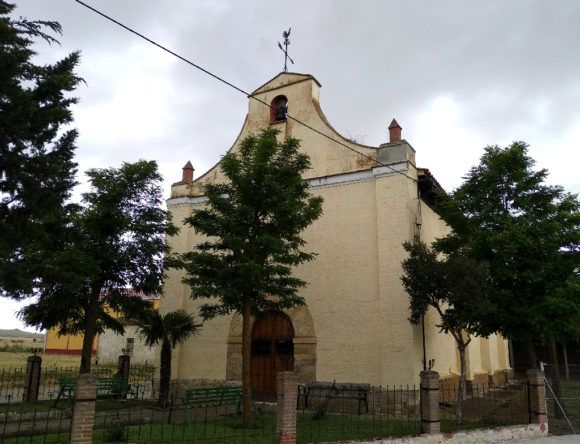
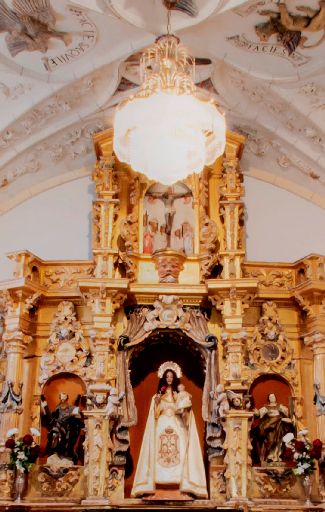
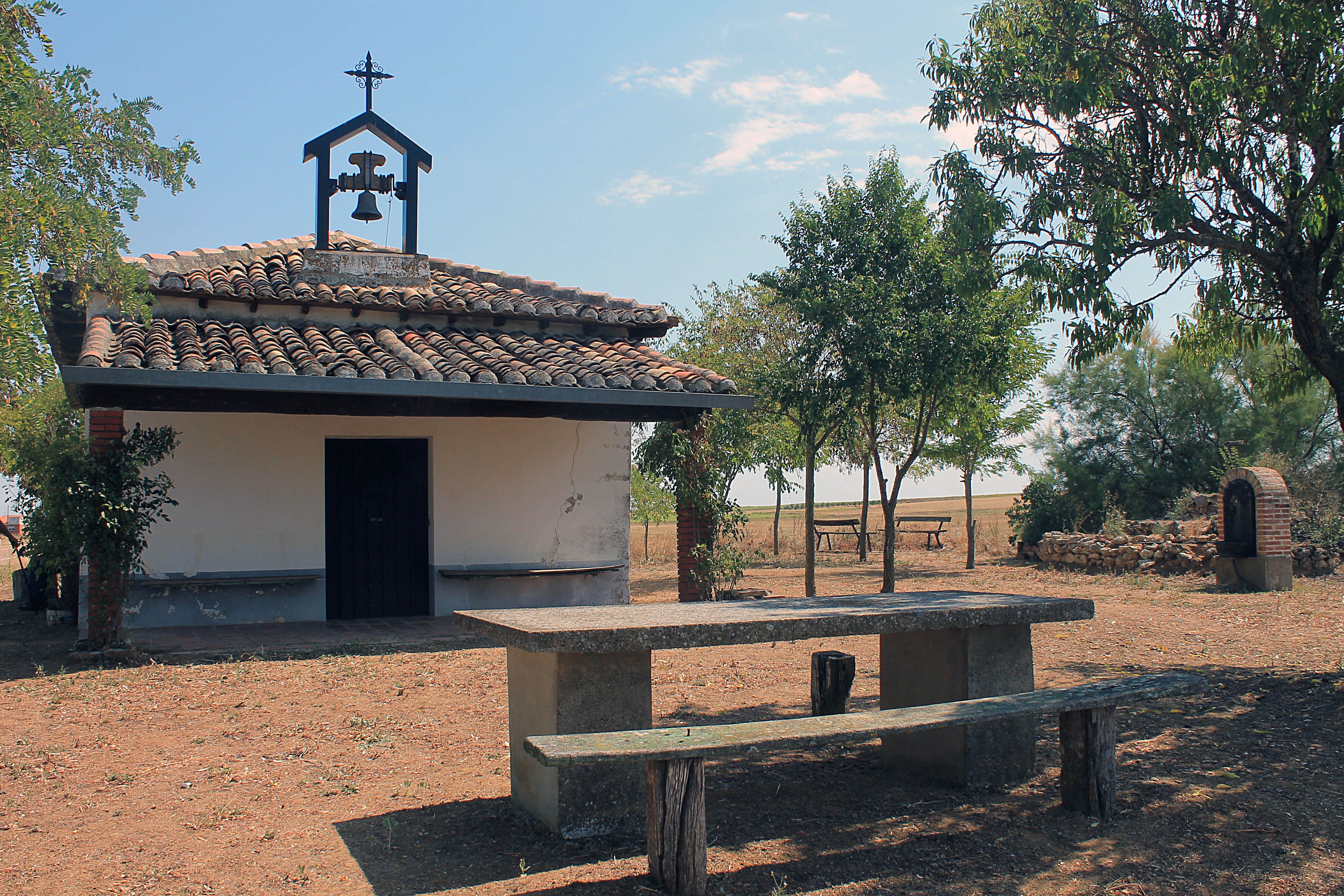
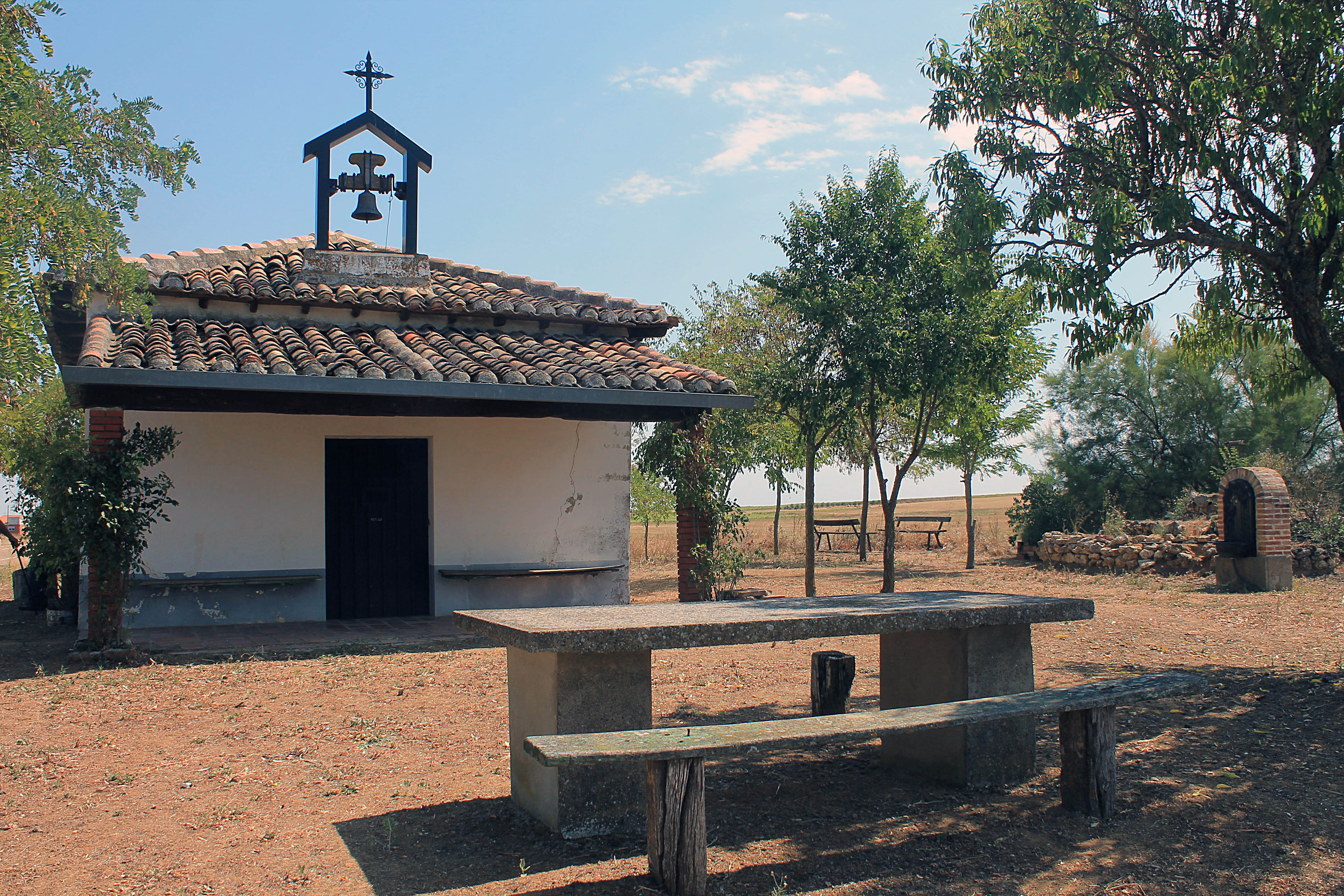
Hermitage of Our Lady of Vallarna
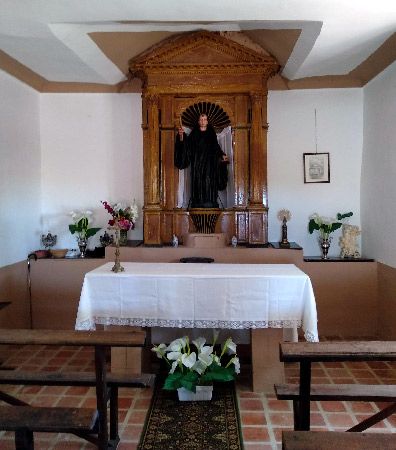
This hermitage preserves an altarpiece from the 18th century, a crucifix from the 16th century and several sculptures from the 18th century, that of San Millán, an altarpiece from the first third of the 17th century and a painting of the Virgin from the 17th century.
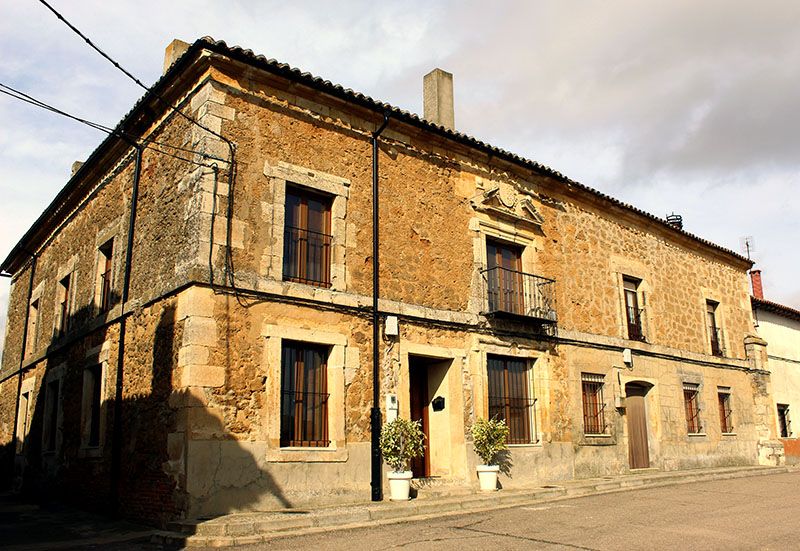
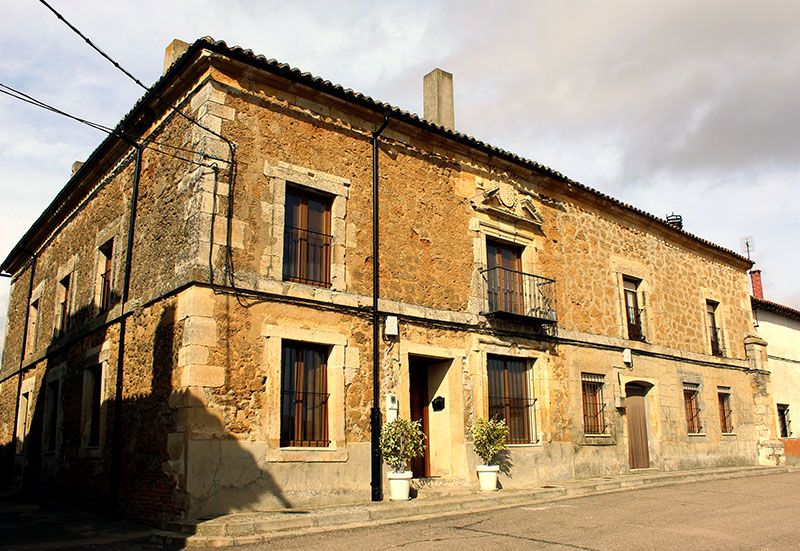
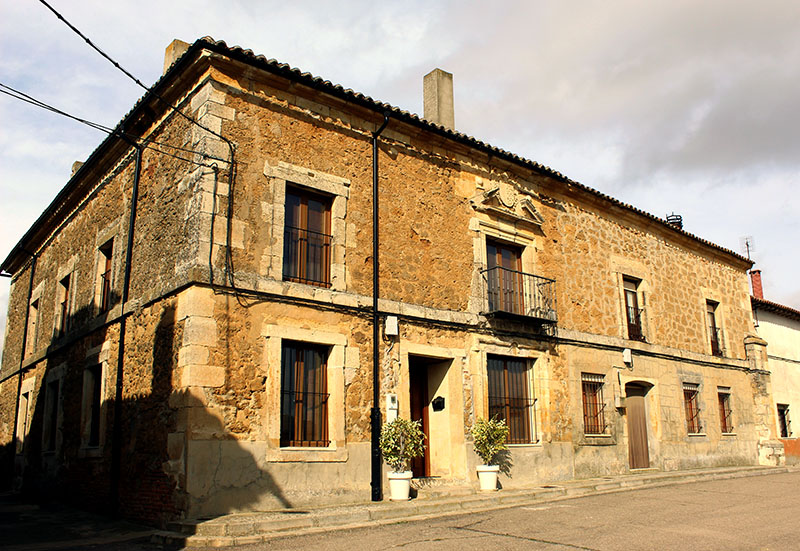
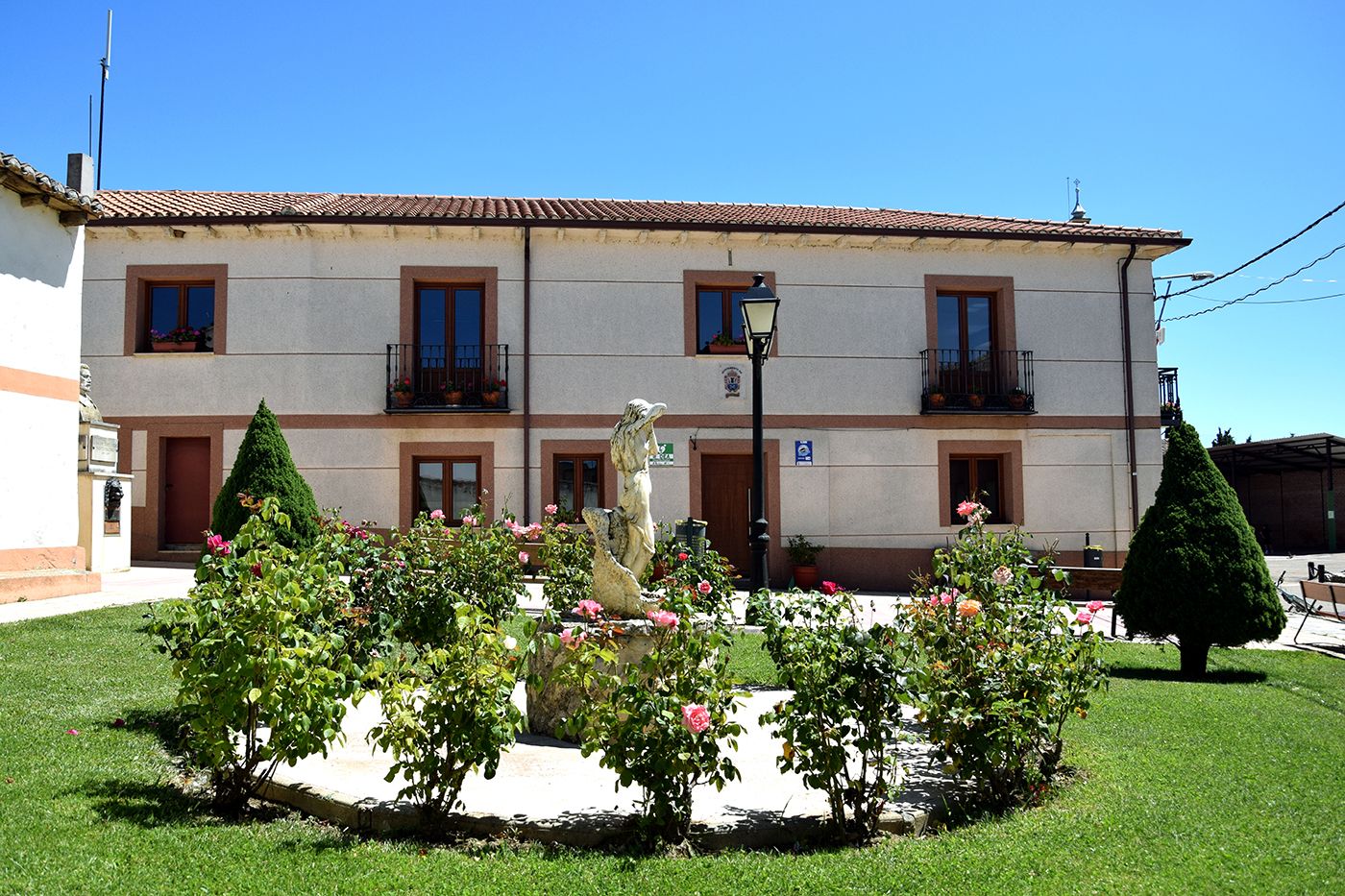
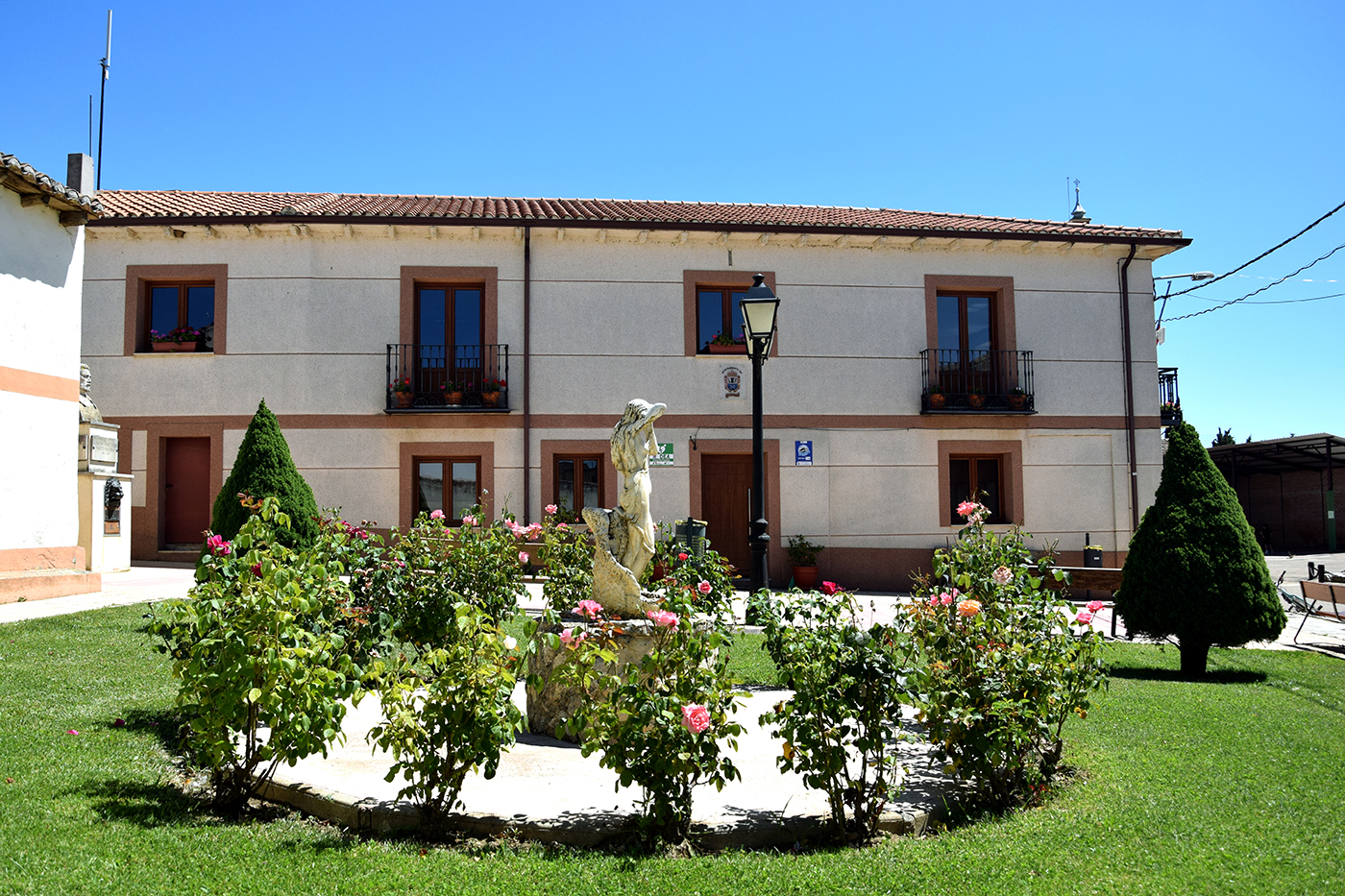
The noble house in the Plaza del Campillo
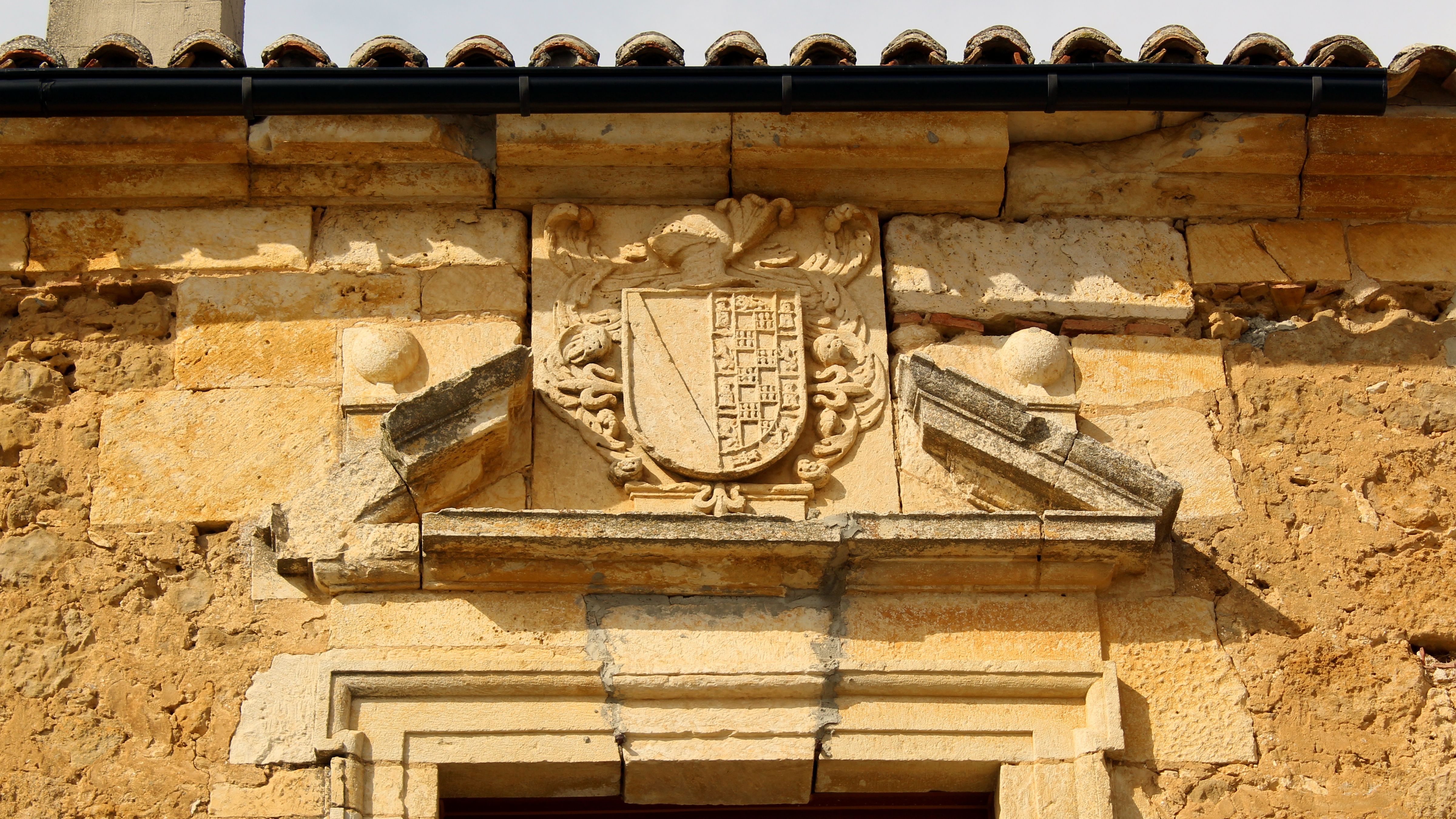
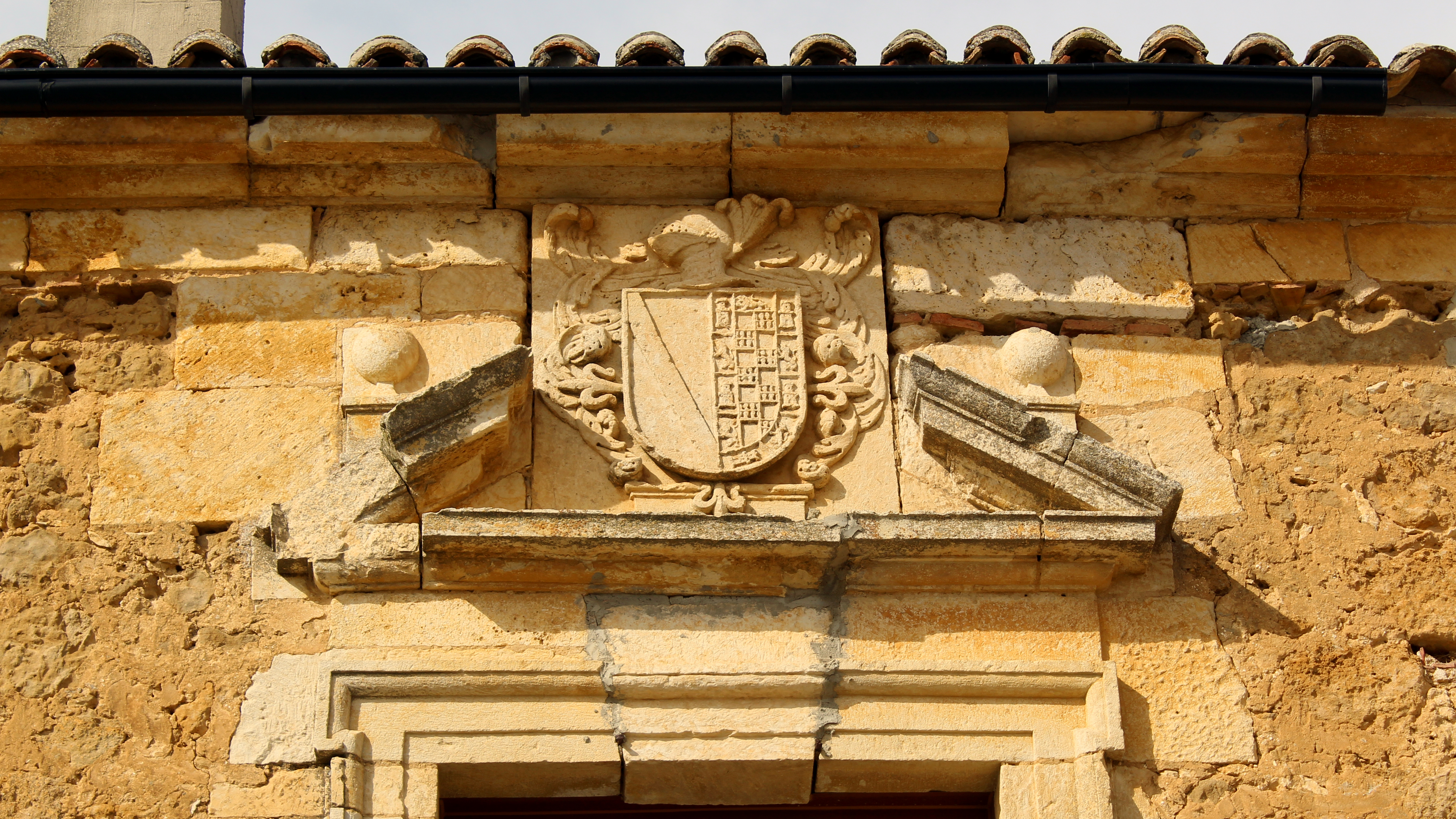
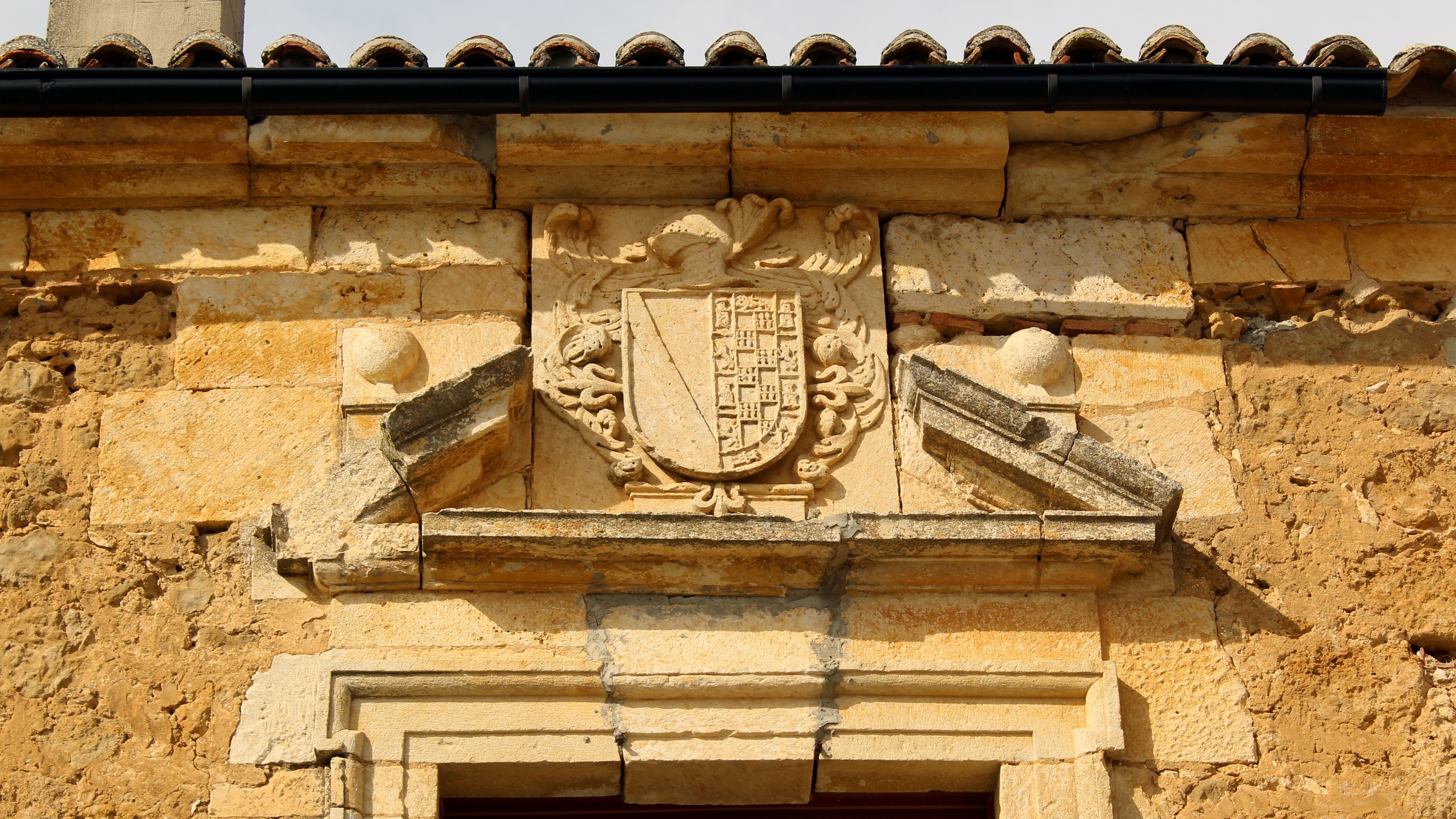
Don Juan de la Serna bought Villaherreros on August 15, 1619 from King Felipe III. He was familiarly related to Villaherreros, since his ancestor, García de Valverde, is a restorer of the church of San Román. One of his brothers, Pedro Ruiz del Trejo, who was governor of Villaherreros, demolished the houses of his parents and ordered the construction of the noble house that currently exists in the Plaza del Campillo on the resulting site. Don Juan de la Serna was succeeded by his son, Don Alonso de la Serna Quiñones Pimentel, governor of the municipality after the death of his uncle. This family emblazoned the façade of a palace-house with the coat of arms that still survives in their house of the Villaherreros mayorazgo, embedded in the split pediment of the façade balcony. This coat of arms is formed by a match between Serna and Quiñones. Left half a band and right half checkered with castle figures and lions, and with the piece that borders the shield (only for this half) made of Castilla y León, crowned in its upper part with a helmet and attached and superimposed on a Cross of the Order of Calatrava, whose ends form fleur-de-lis and appear below the coat of arms. On the outside, the noble house of the De la Serna Quiñones Pimentel family has a main facade that previously had a unitary structure with ashlar work, which continues on the side facade of the alley. Originally there was a single access door, enhanced and framed by a smooth molding with a broken line. Above this door a noble balcony opens on the upper floor. The windows of the façade are made with a smooth stone molding, the same molding that separates the lower floor from the noble floor. Later, due to family needs, the house was divided into two parts, making two independent houses. The main door was closed, turning it into a window, opening two doors to the left and right of the facade. Also, on the right side of the façade, two other windows were opened on the ground floor, covering the original façade.
The San Pedro wineries
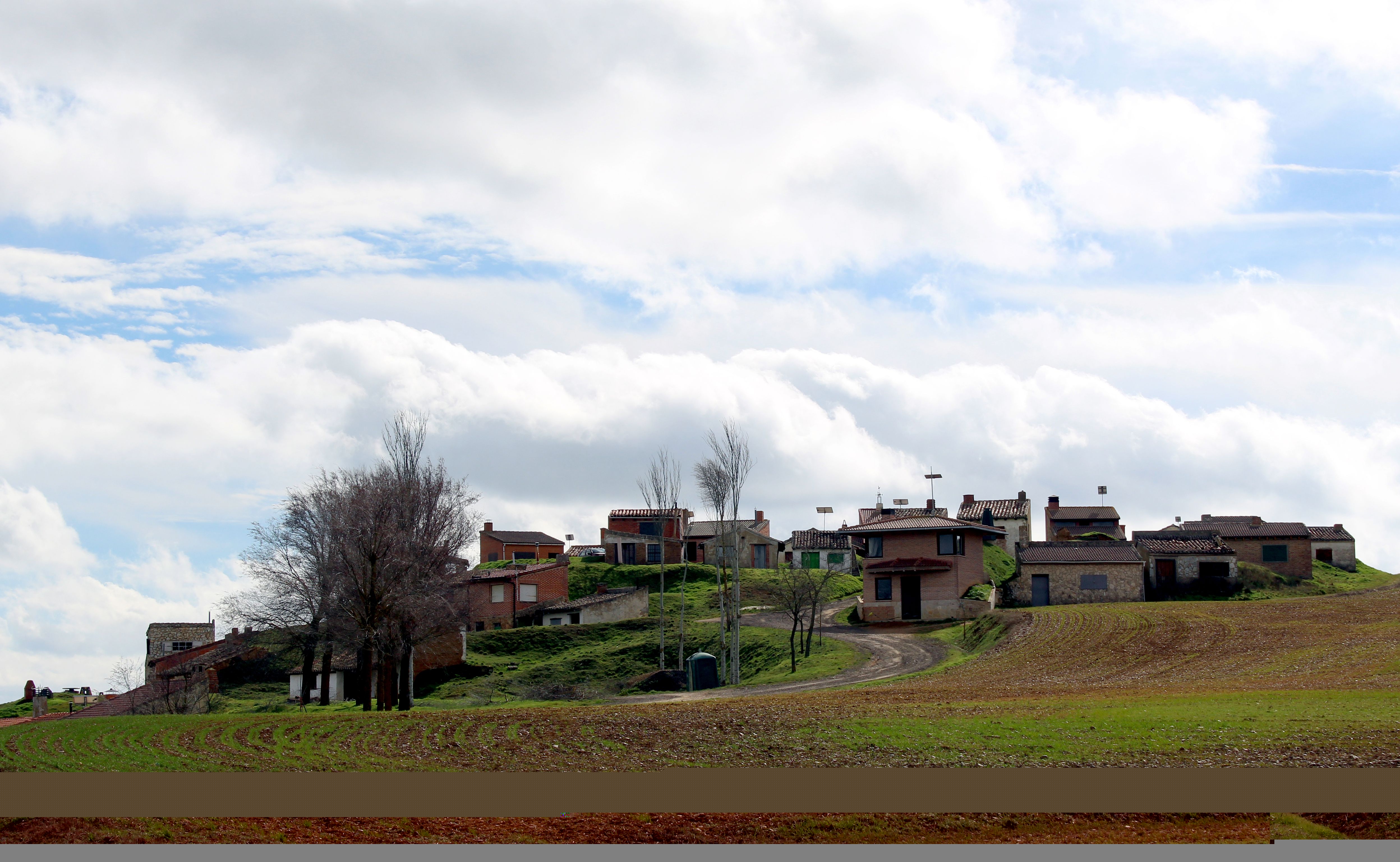
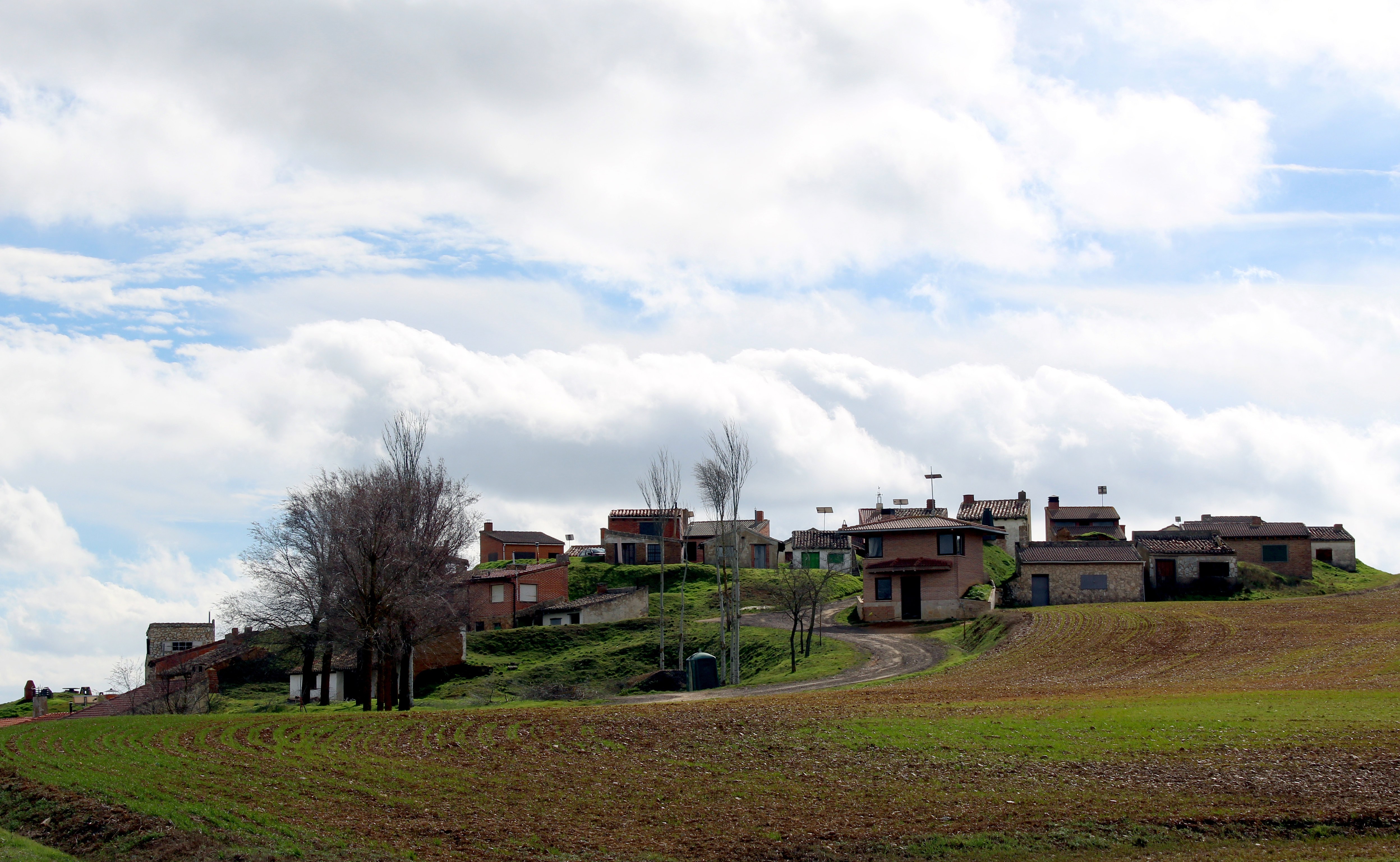
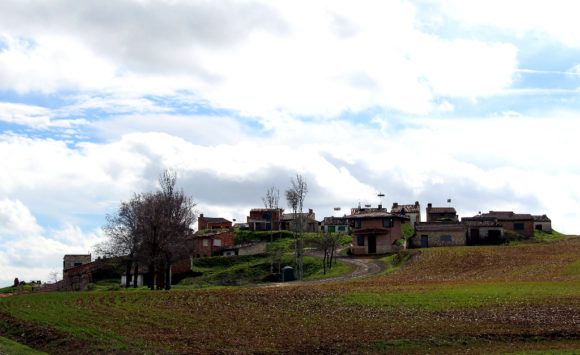
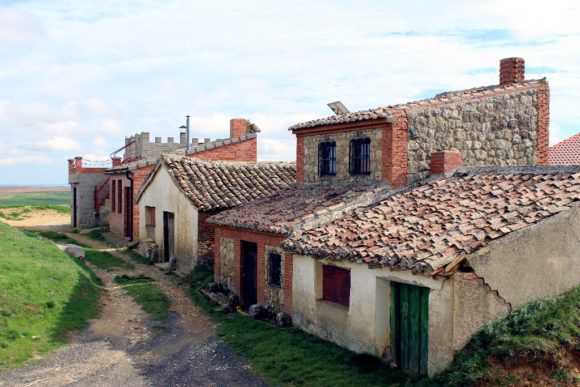
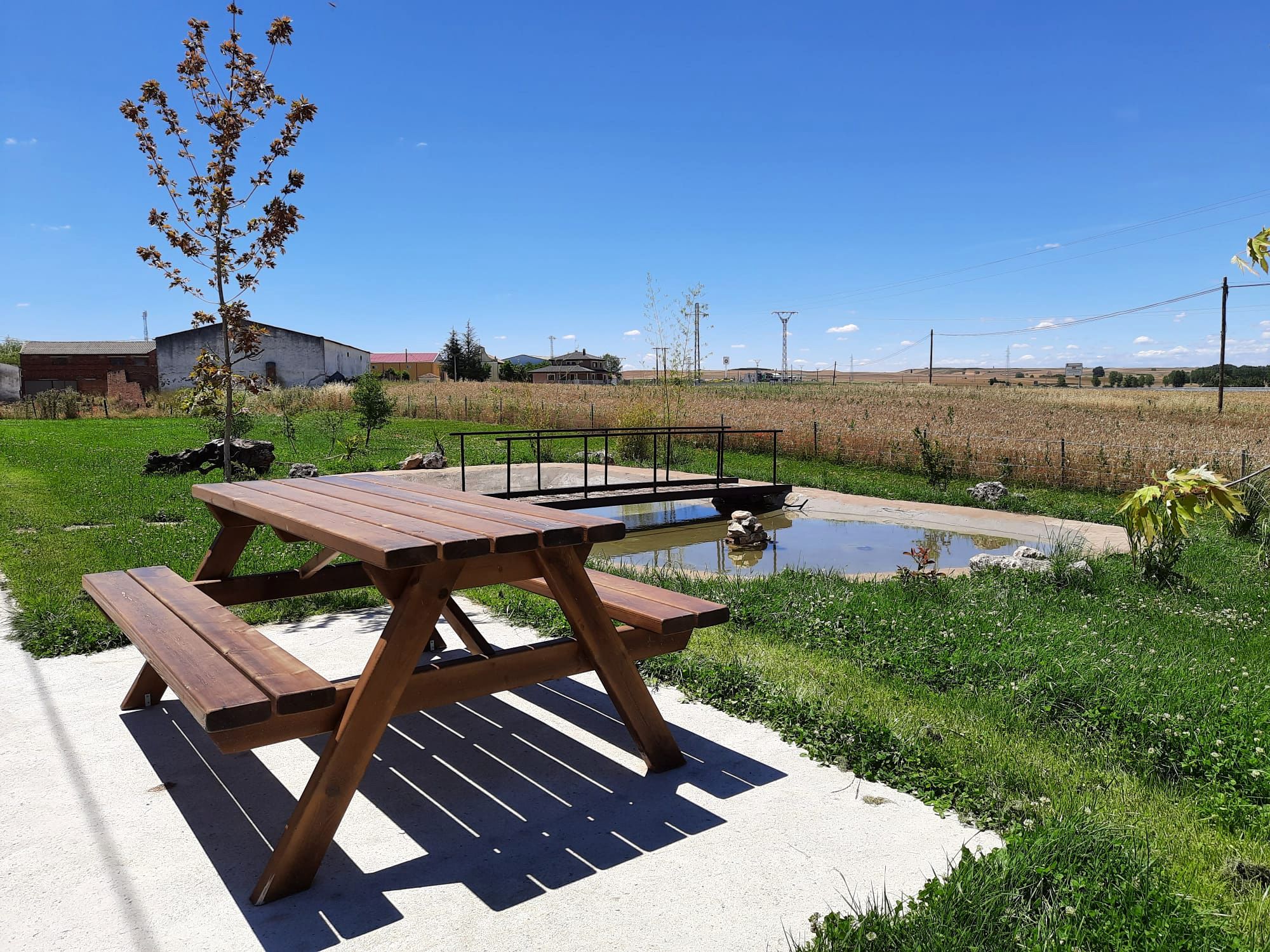
The San Pedro wineries are located on the hill that bears the same name, located just over a kilometer from the town center. As popular inspiration trova, they keep "such a rich broth / to forget bad times / and remember good times." The wineries are accessed through the Cordel Cerverano de la Cañada Real Leonesa, used by the Council of La Mesta, an organization of transhumant farmers created by Alfonso X El Sabio in 1230. This area does not appear as a town in any document, although it is traditionally It says that there was a hermitage until the 19th century dedicated to Saint Peter. It is not known exactly when these wineries began to be built. Traditionally it was accessed through a mouth dug into the earth that, through the canyon, takes you to the cave. Later, around the 80s of the 20th century, a picnic area or ballast began to be built at the entrance. Today, the complex has about 100 wineries and some of them still retain the press used for traditional winemaking. Many are the owners who still keep the wine for their own consumption in the caves of the wineries, and it is that, now, this is a meeting place in Villaherreros for neighbors and visitors. During the patron saint festivities, "pilgrimages" are held to this place to enjoy some time in company and, also, since 2018 "De tapas por San Pedro. The festival of the wineries" has been held, an event that is celebrated in the month July and is used to enjoy good cuisine and the environment. In addition, it is an area that continues to improve thanks to the collaboration of individuals and institutions, such as the Diputación de Palencia that installed a picnic area and a viewpoint.
Picnic Area / Viewpoint
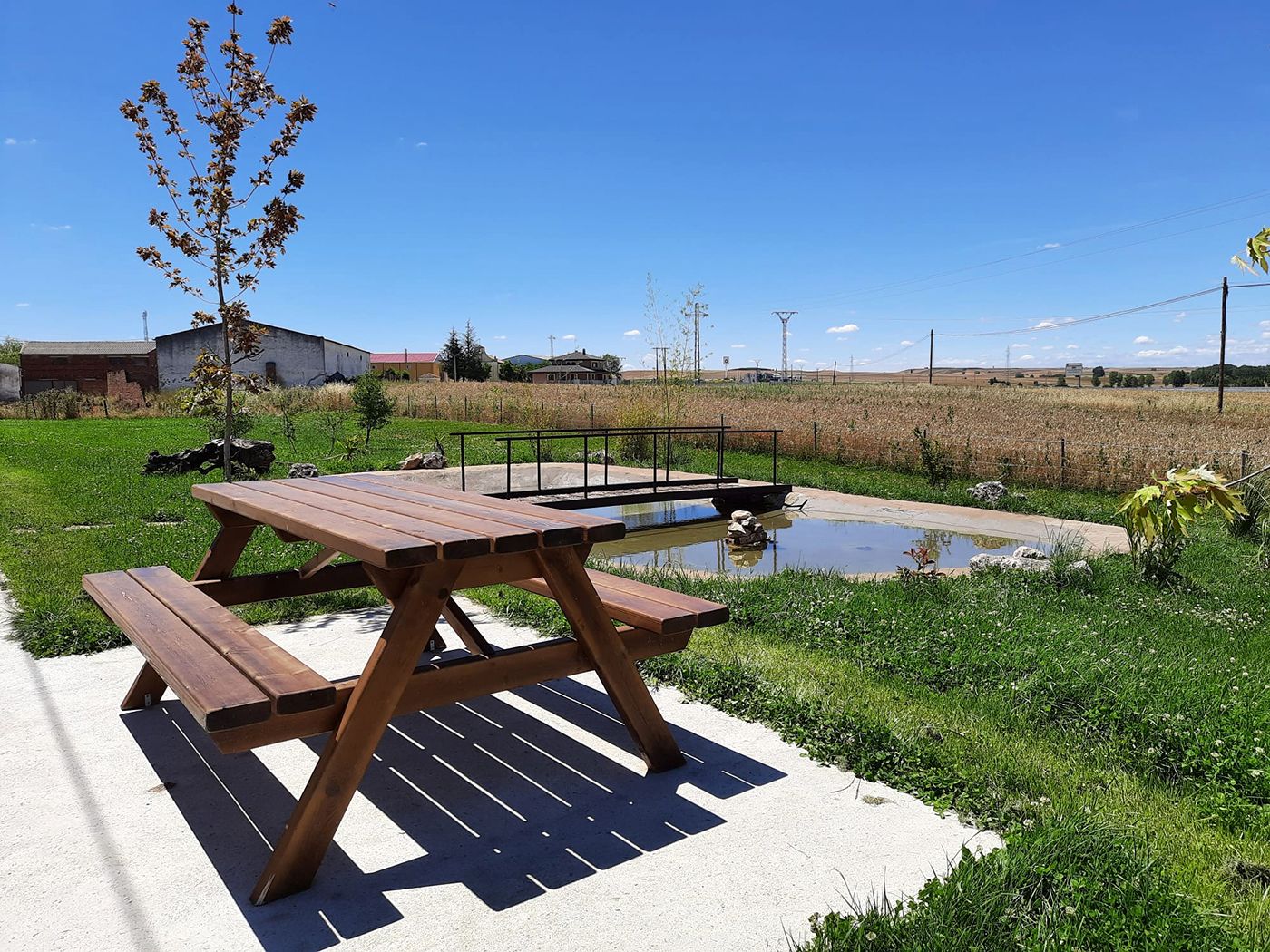
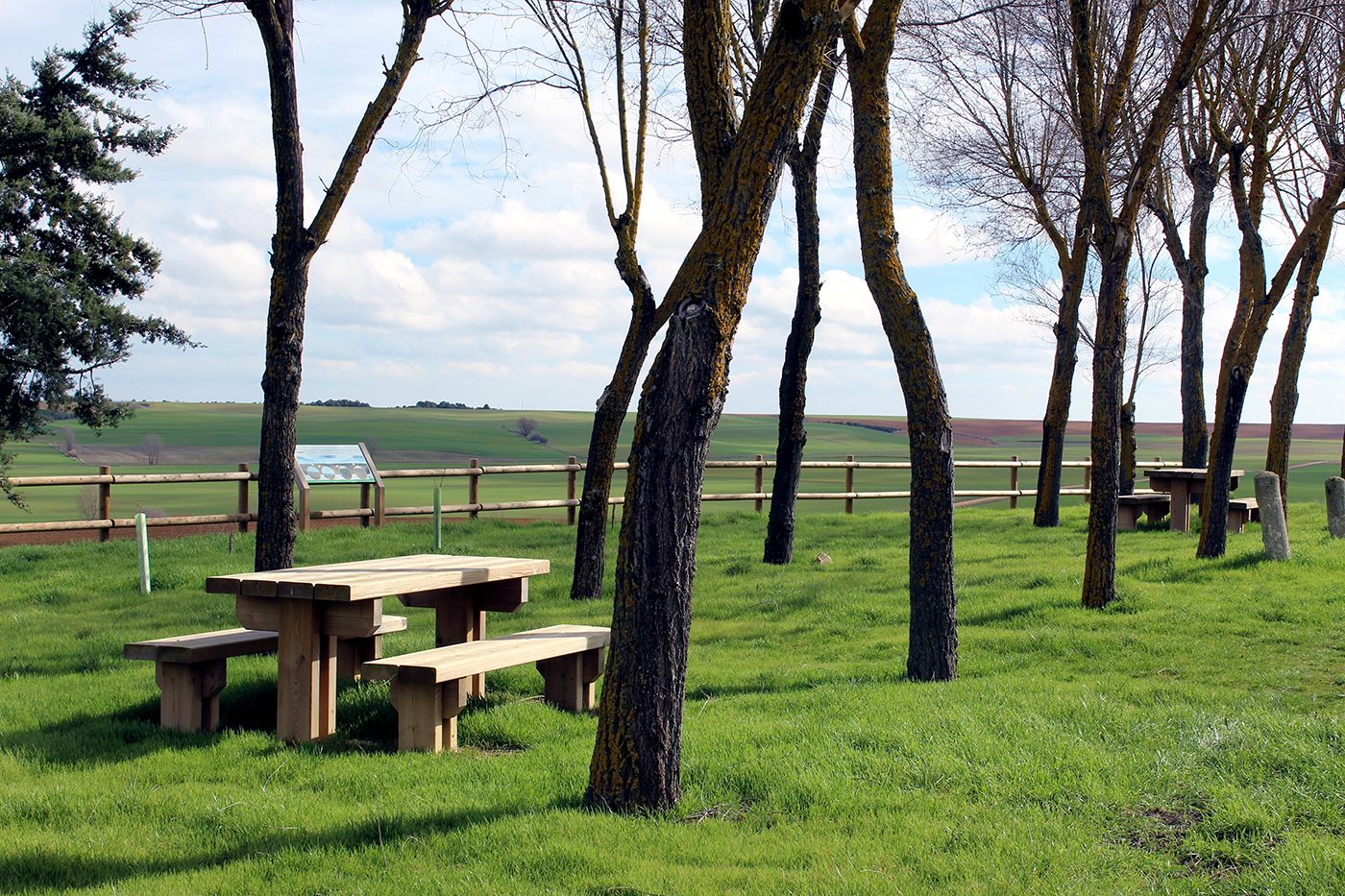
Located in Alto de San Pedro, we can get an idea of how this municipality is located on the map. From there, on clear days, you can see various peaks of the Palentina Mountain: from Espigüete, whose north face is already the province of León, through Curavacas and Las Tuerces, whose eastern end, Peña Amaya, is already the province of Burgos. In addition, the following neighboring municipalities can be seen: Carrion de los Condes, San Mamés de Campos, Villasarracino, Itero Seco, Castrillo de Villavega, Santa Cruz del Monte, Villorquite de Herrera, Abia de las Torres, Villadiezma, Osorno, Santillana de Campos, Marcilla, Frómista, Population of Campos, Villovieco, Villarmentero, Lomas and Villalcázar de Sirga, as well as the adjacent roads.
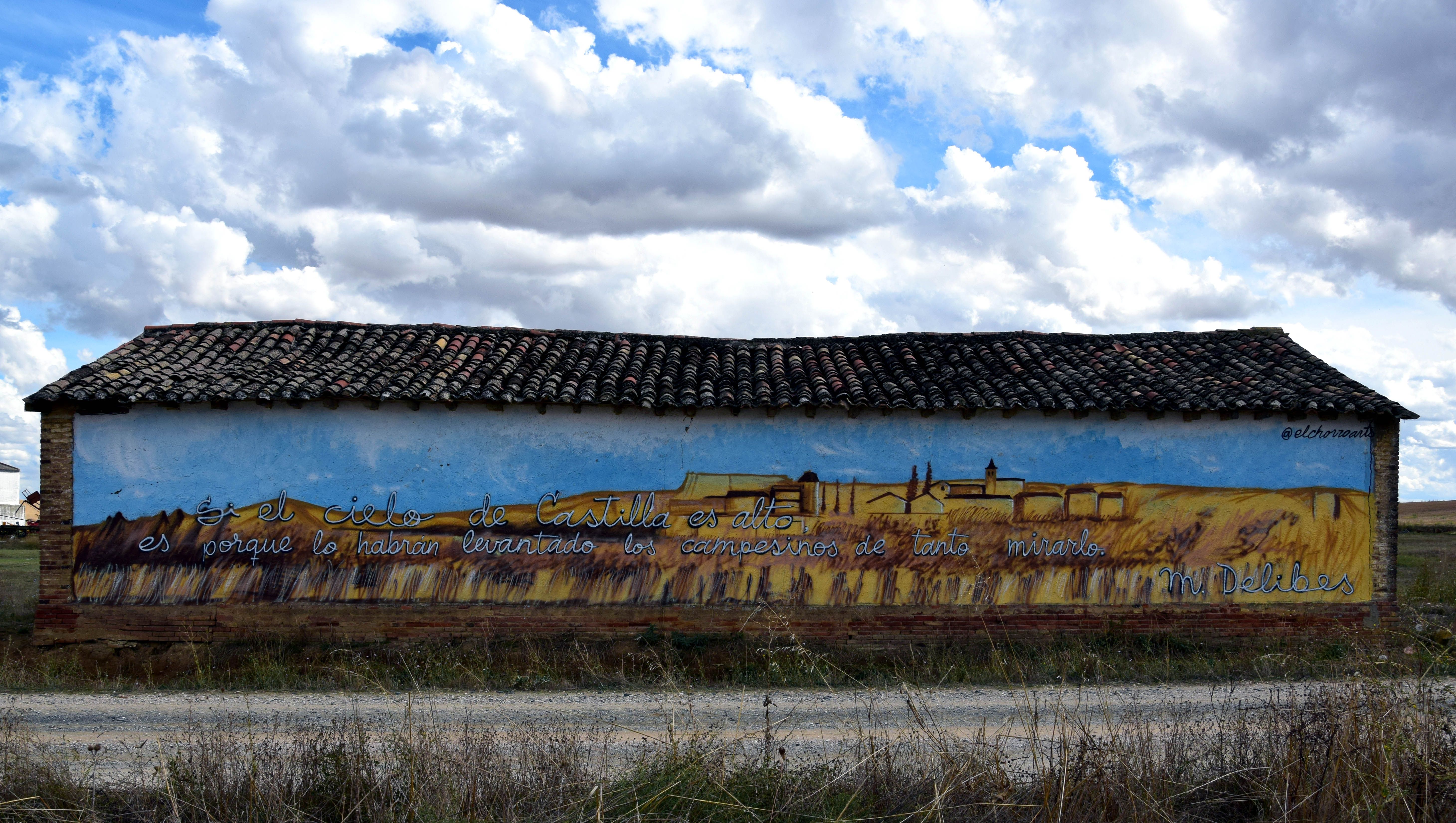
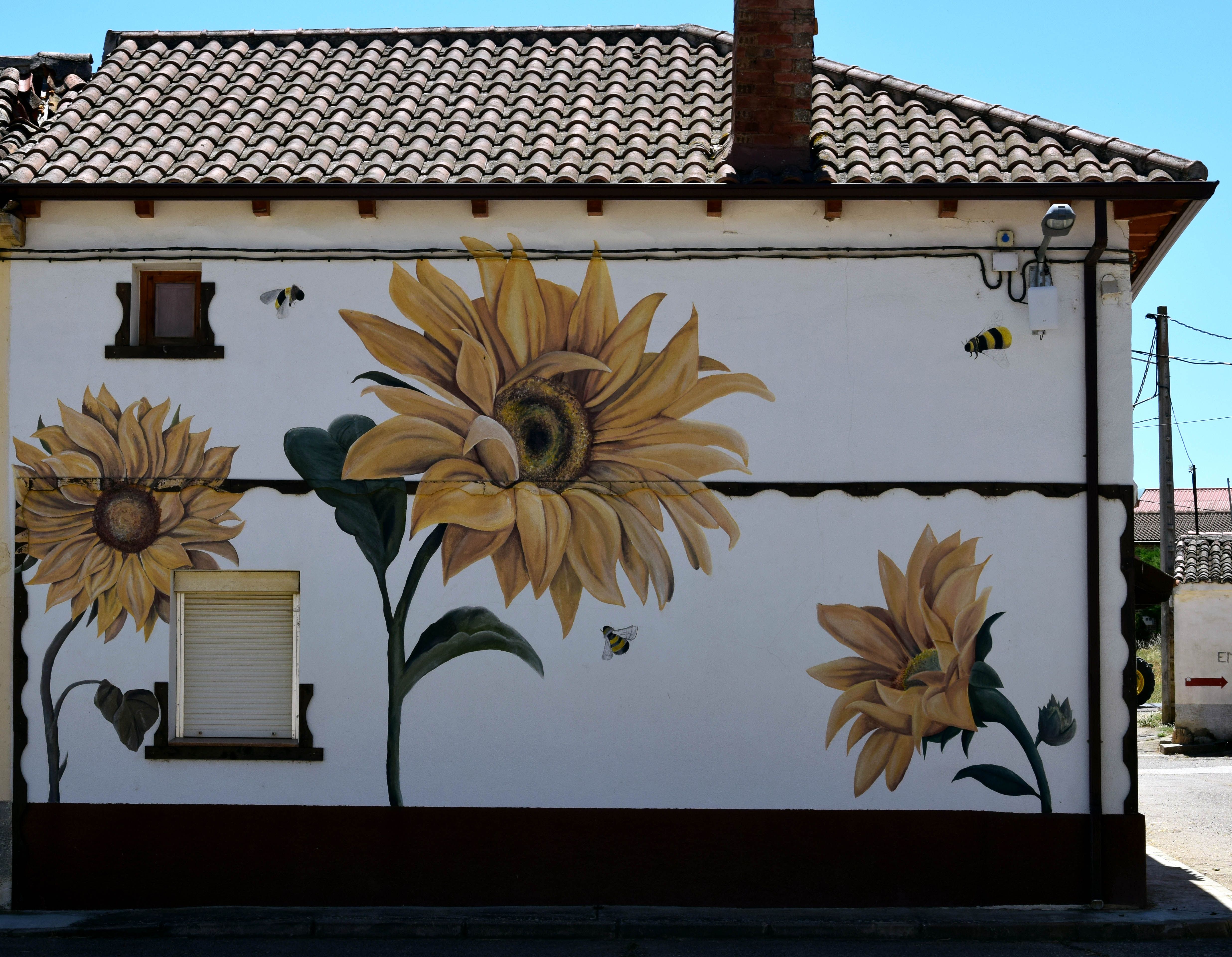
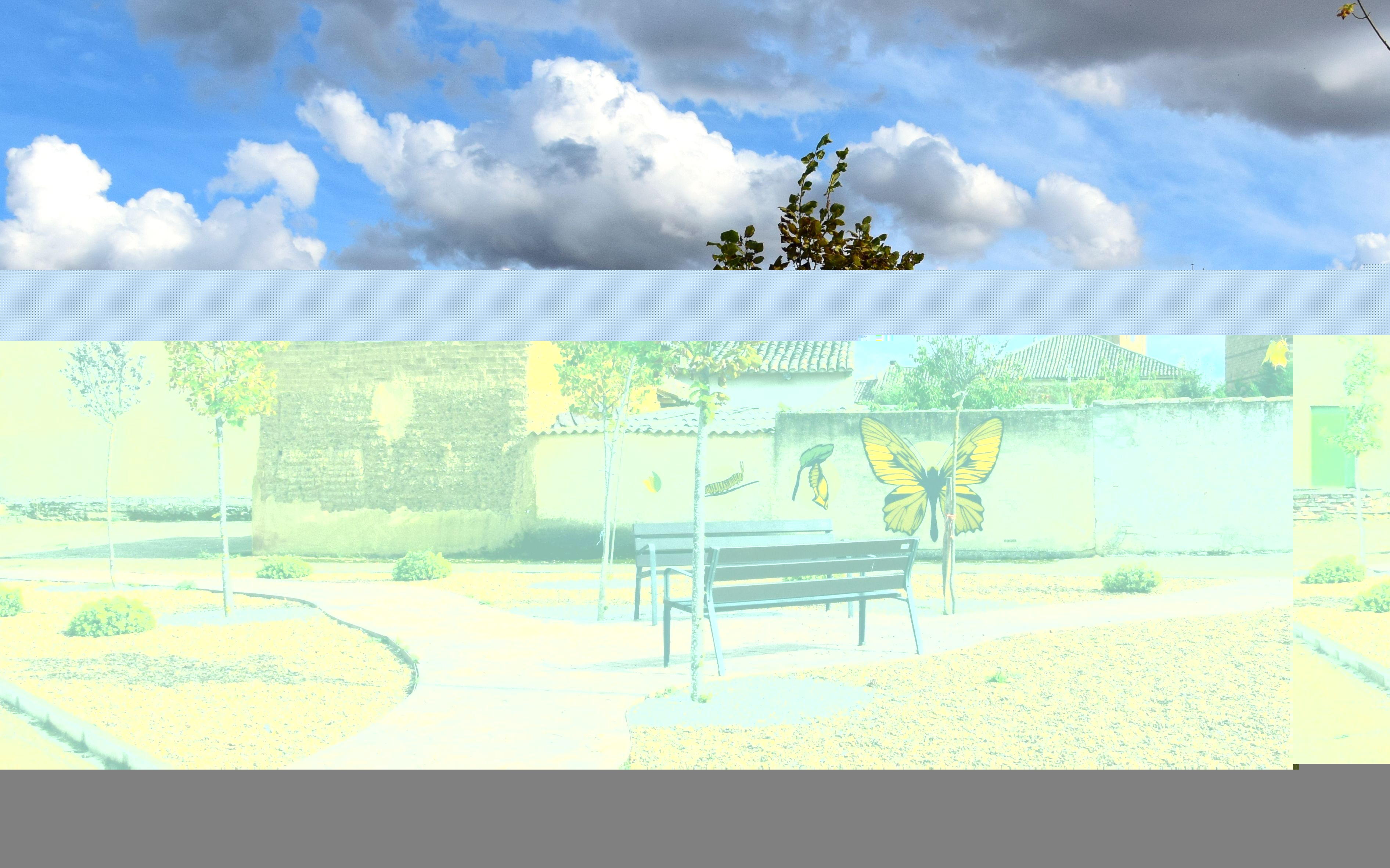
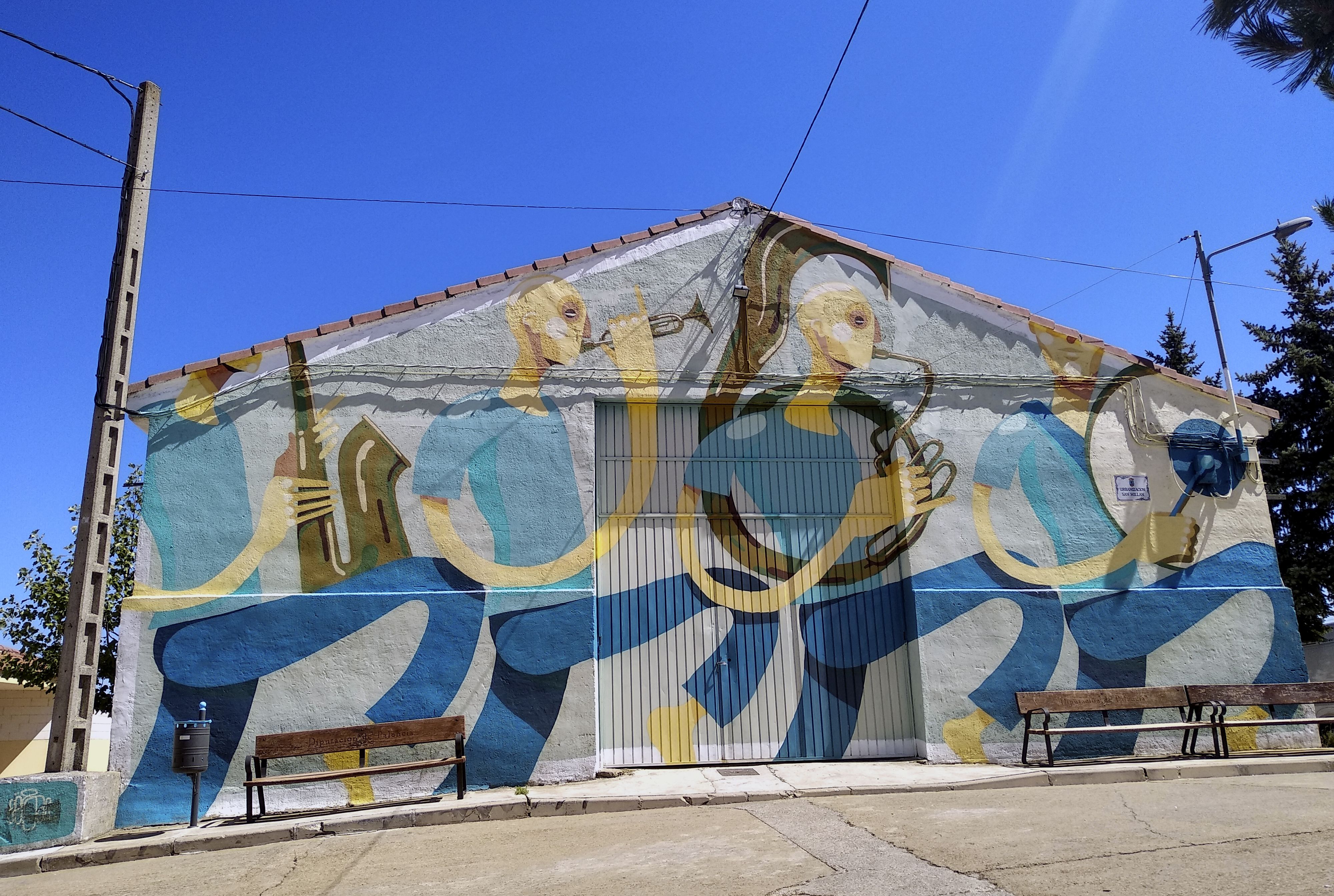
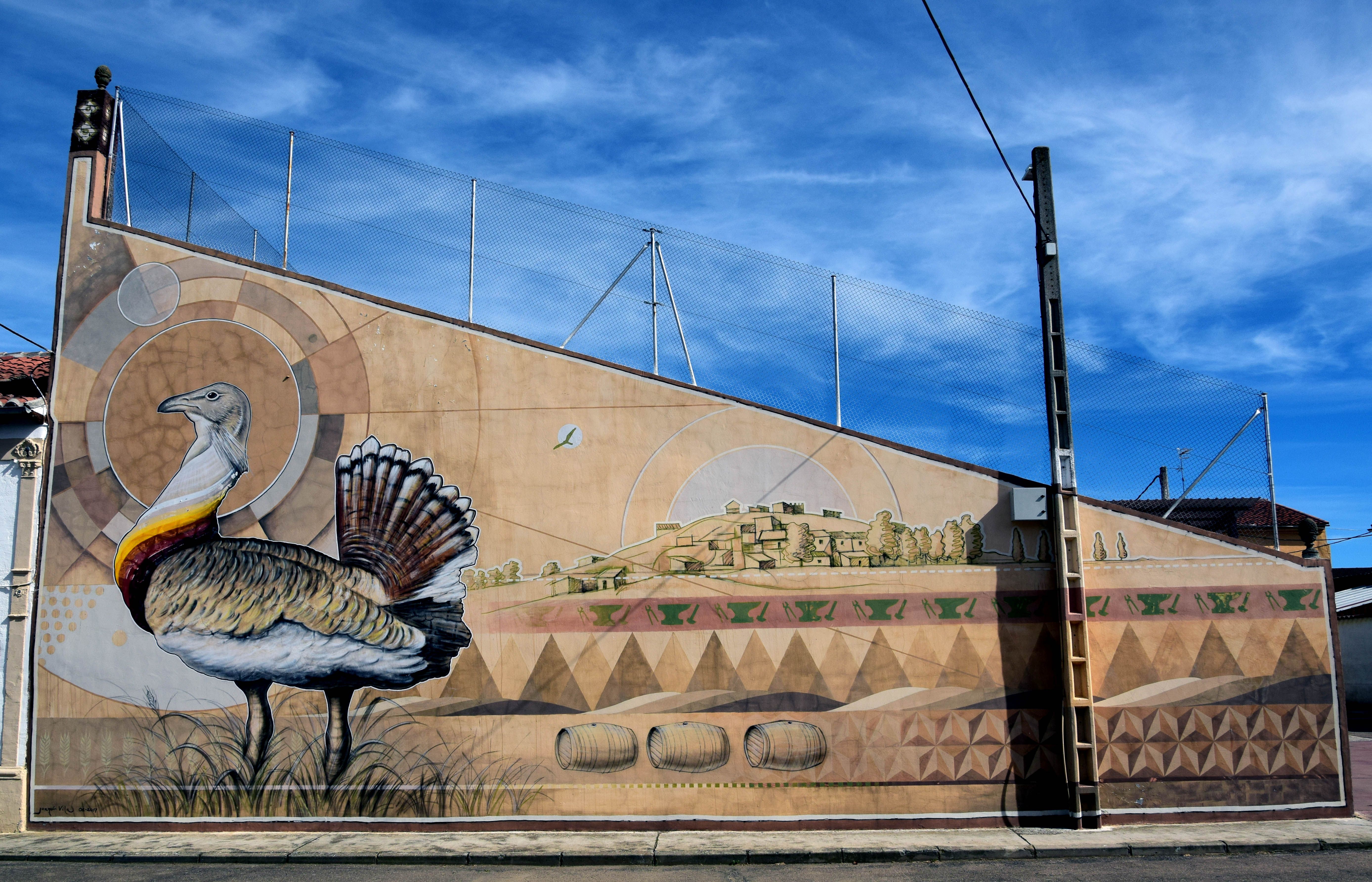
MURAL trail
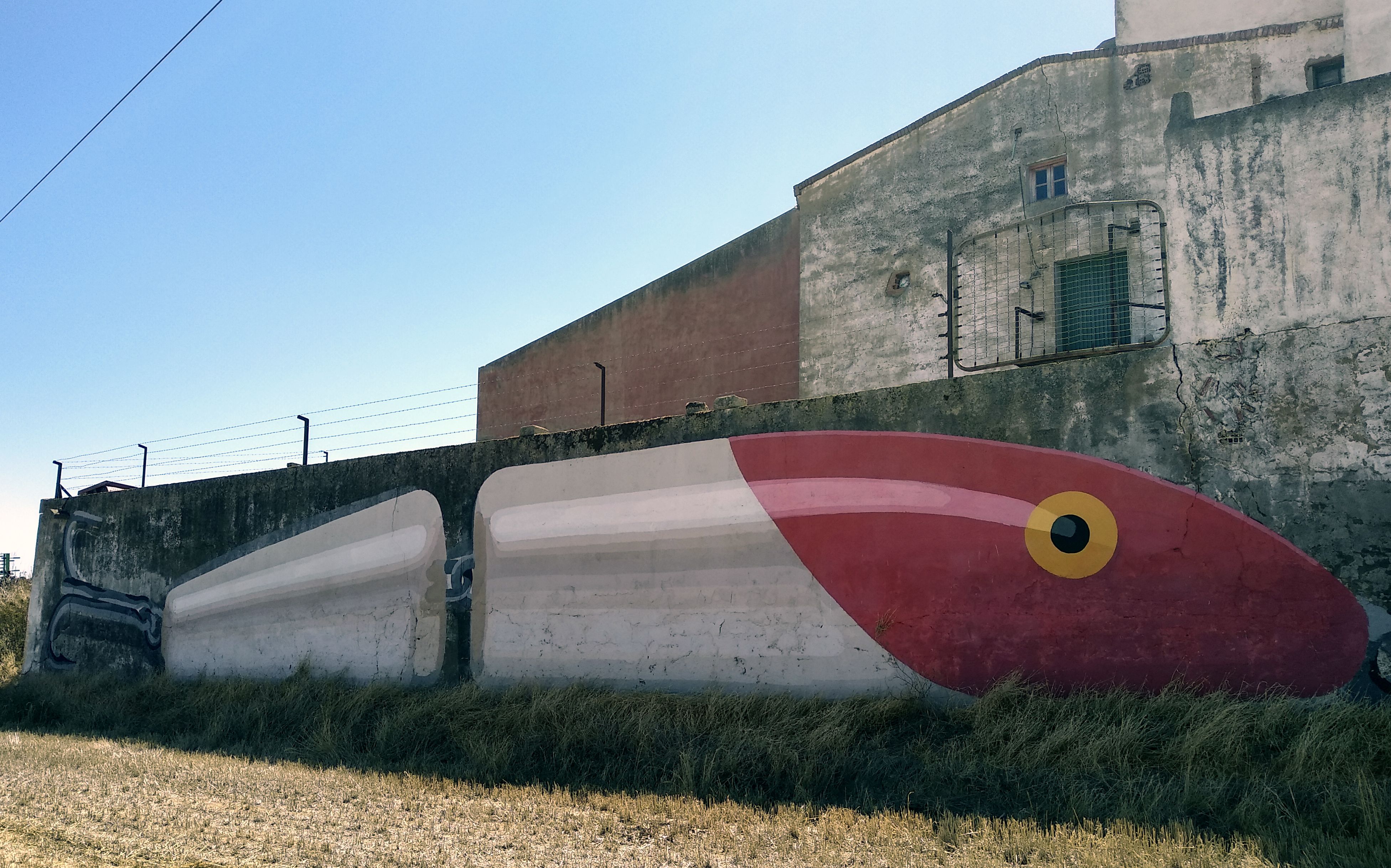
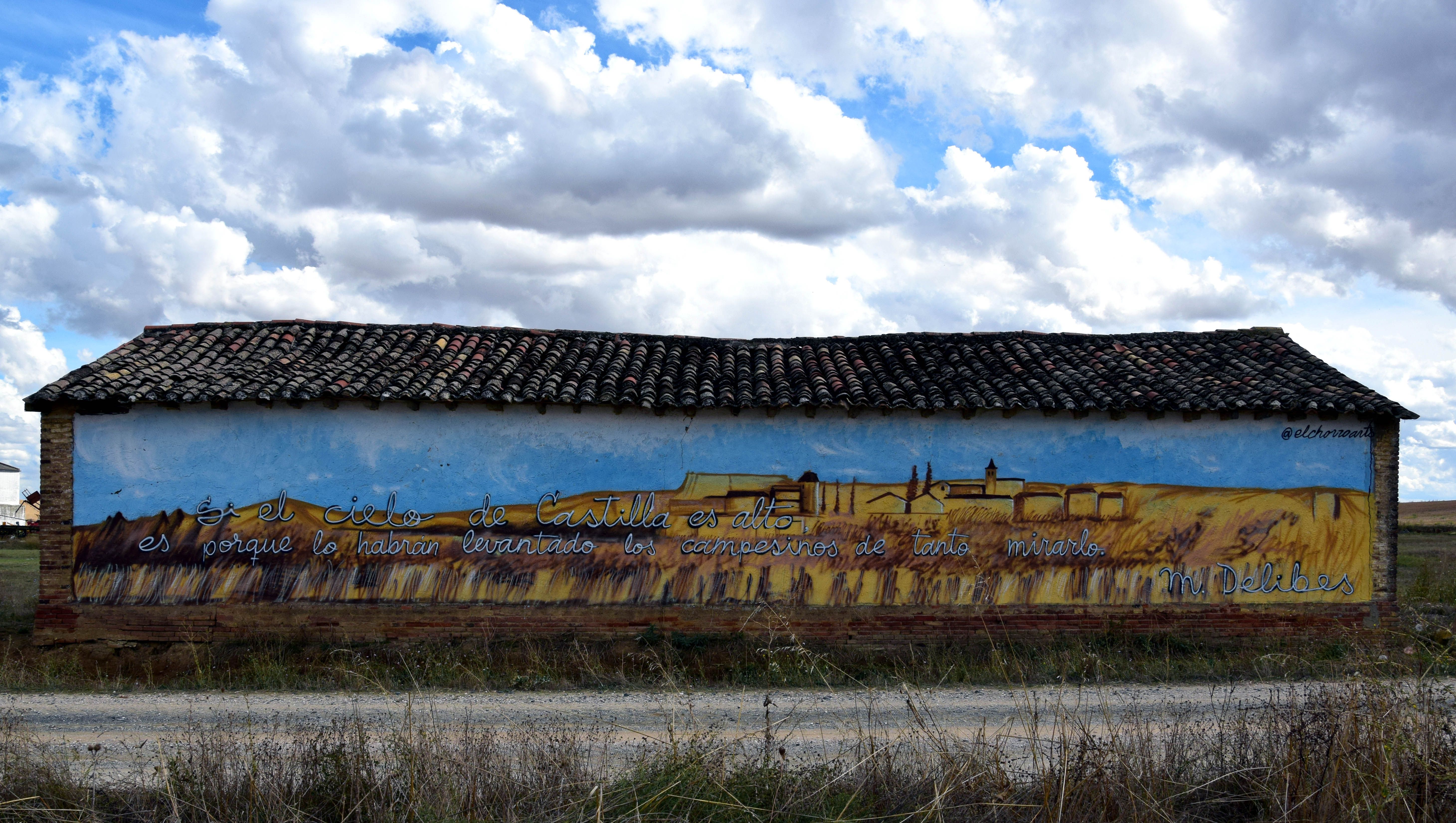
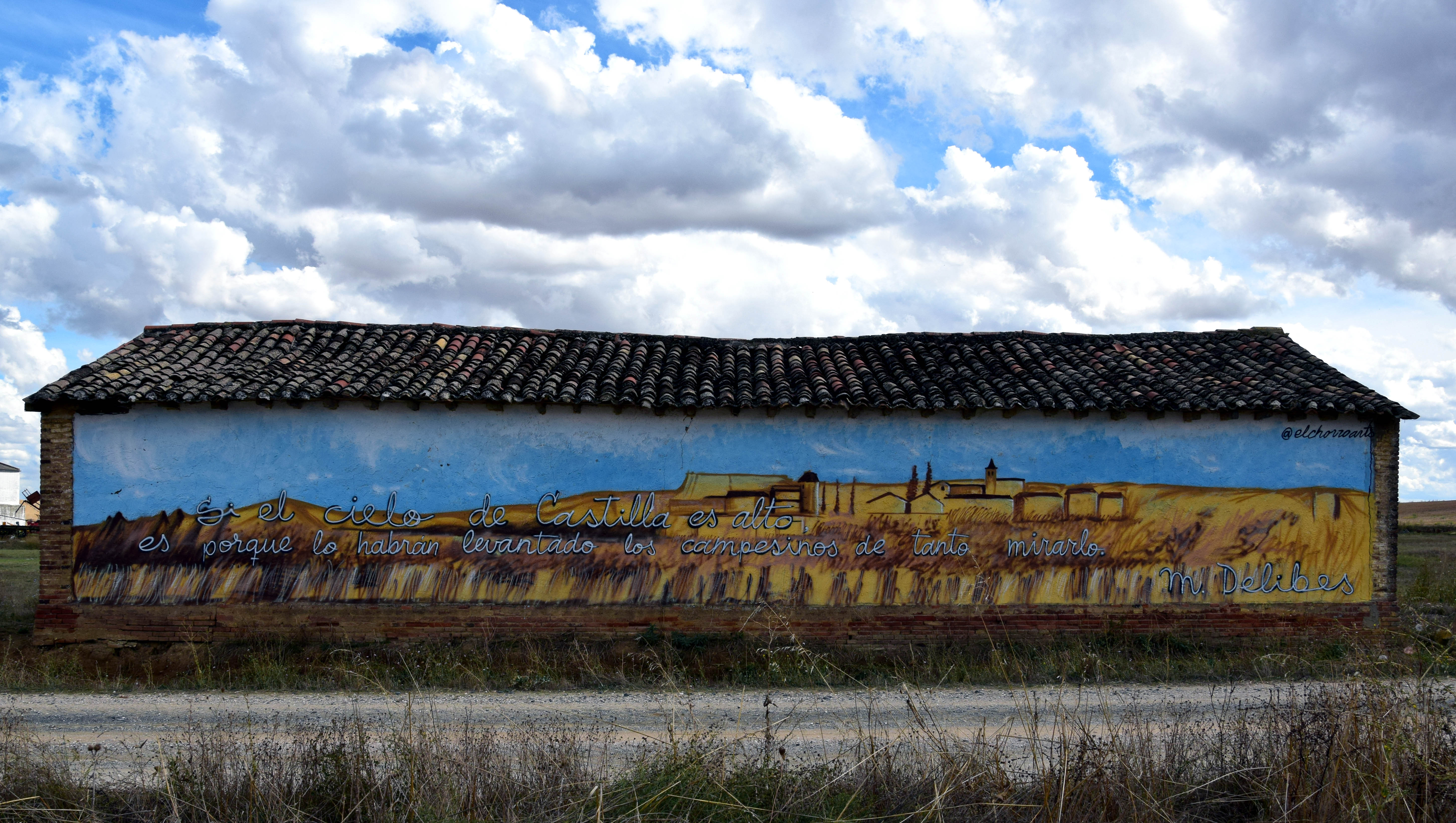
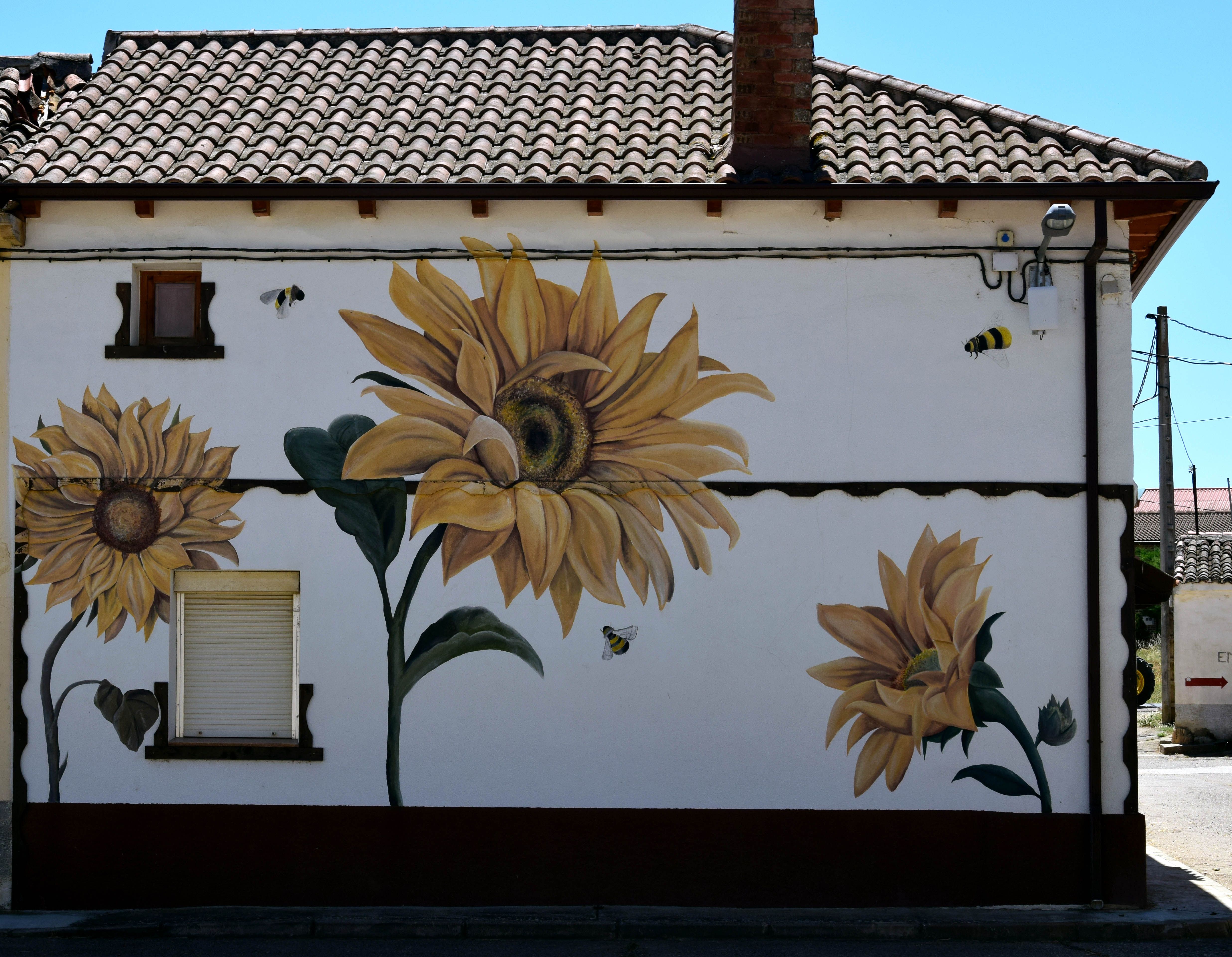
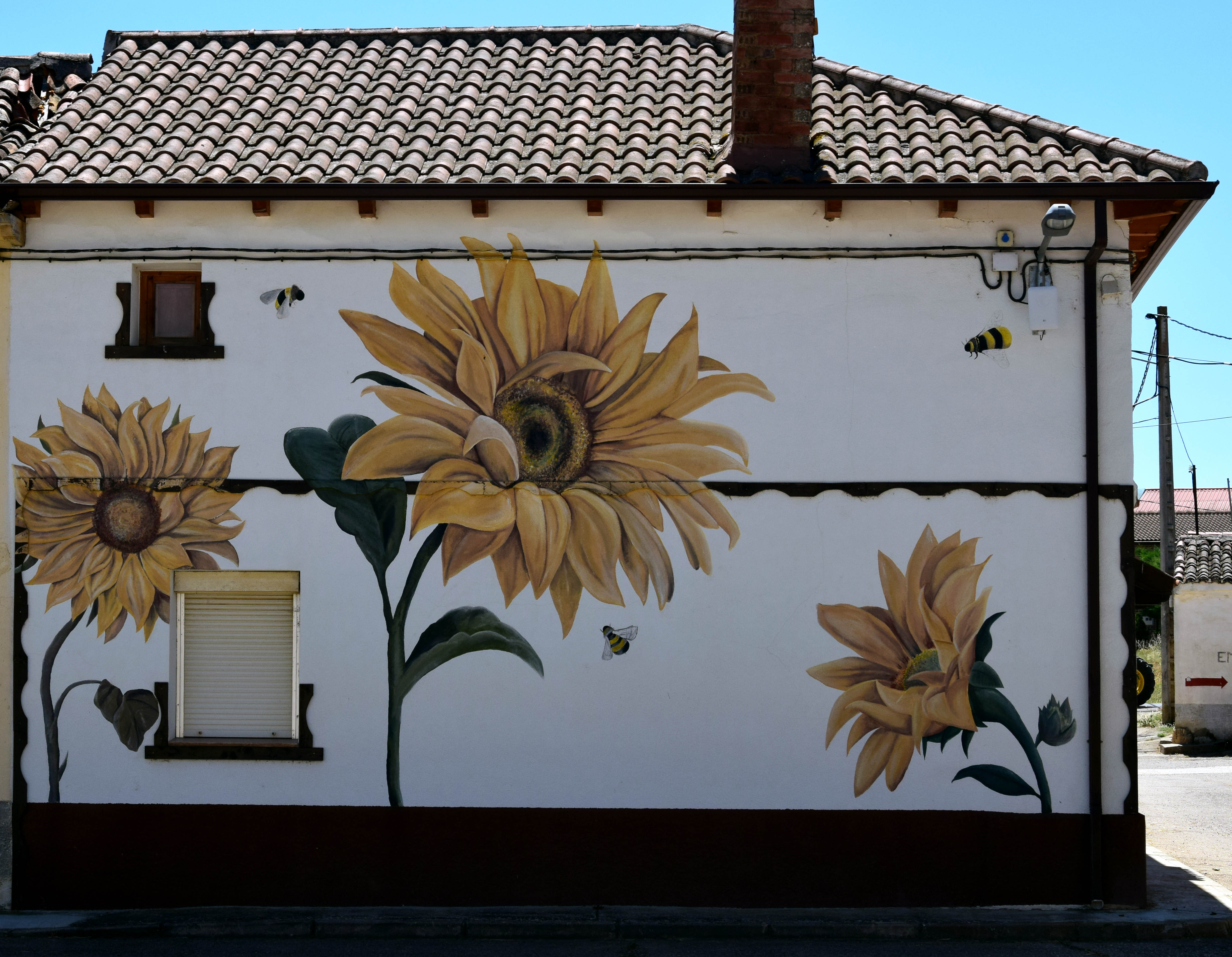
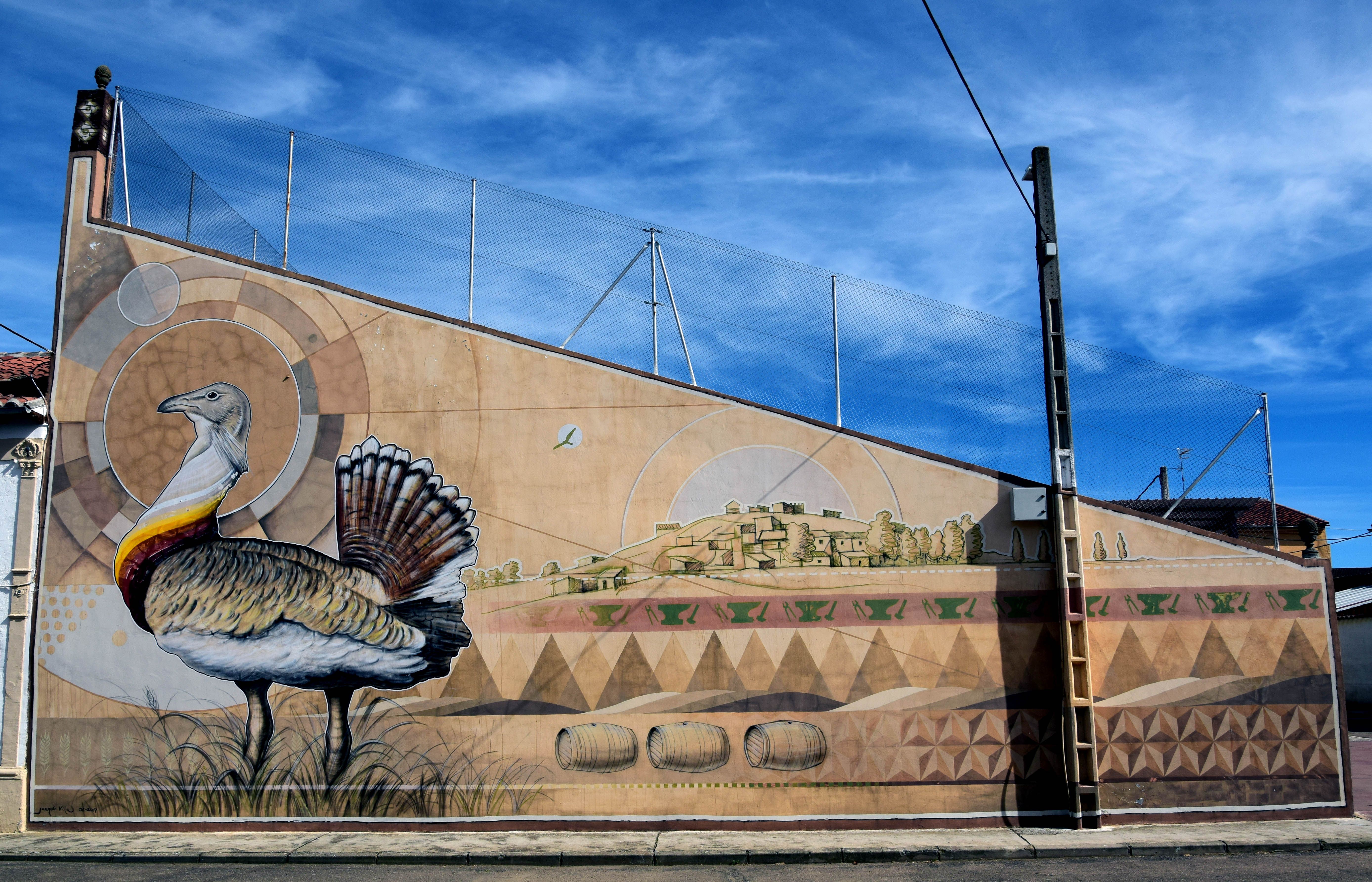
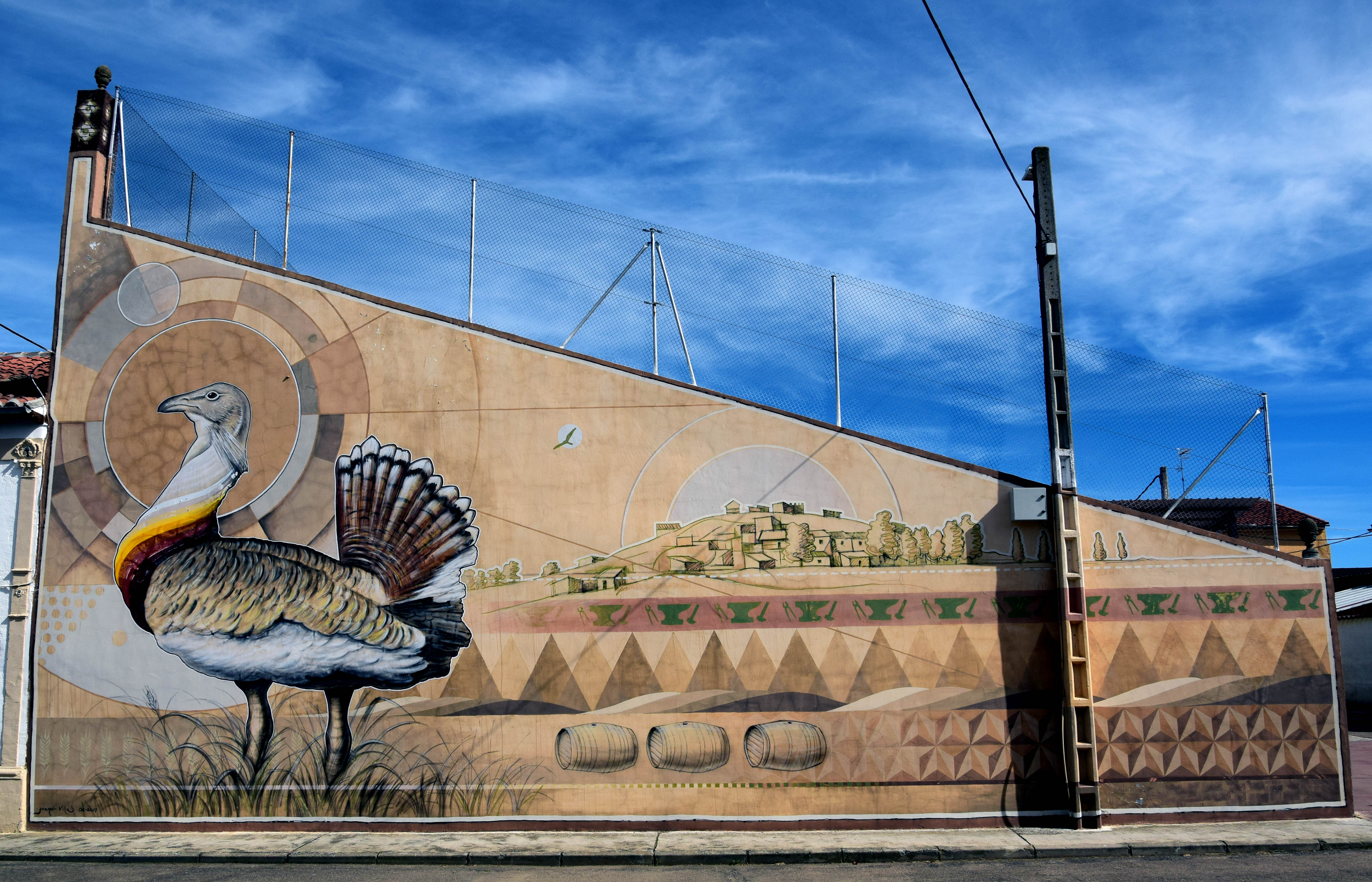
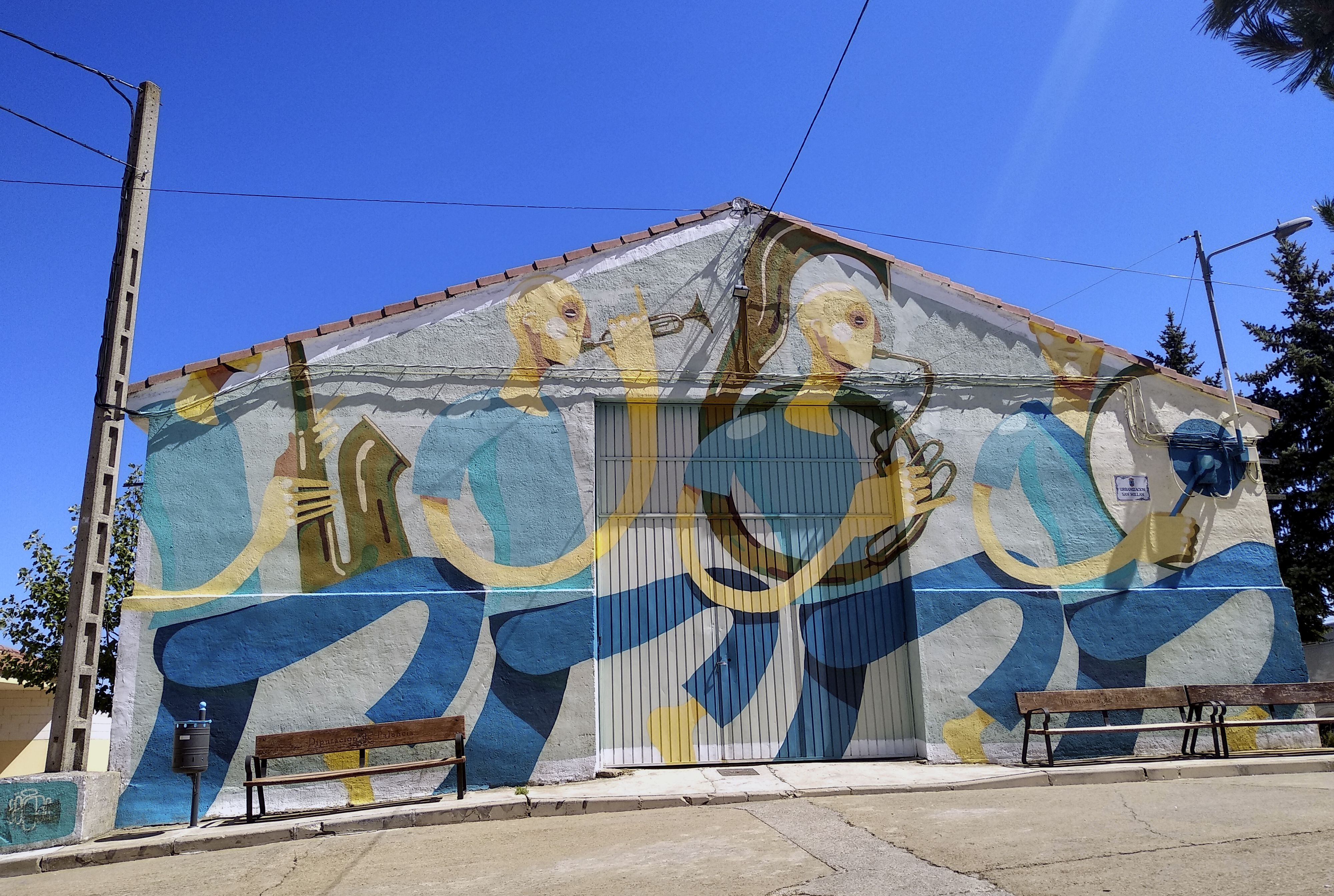
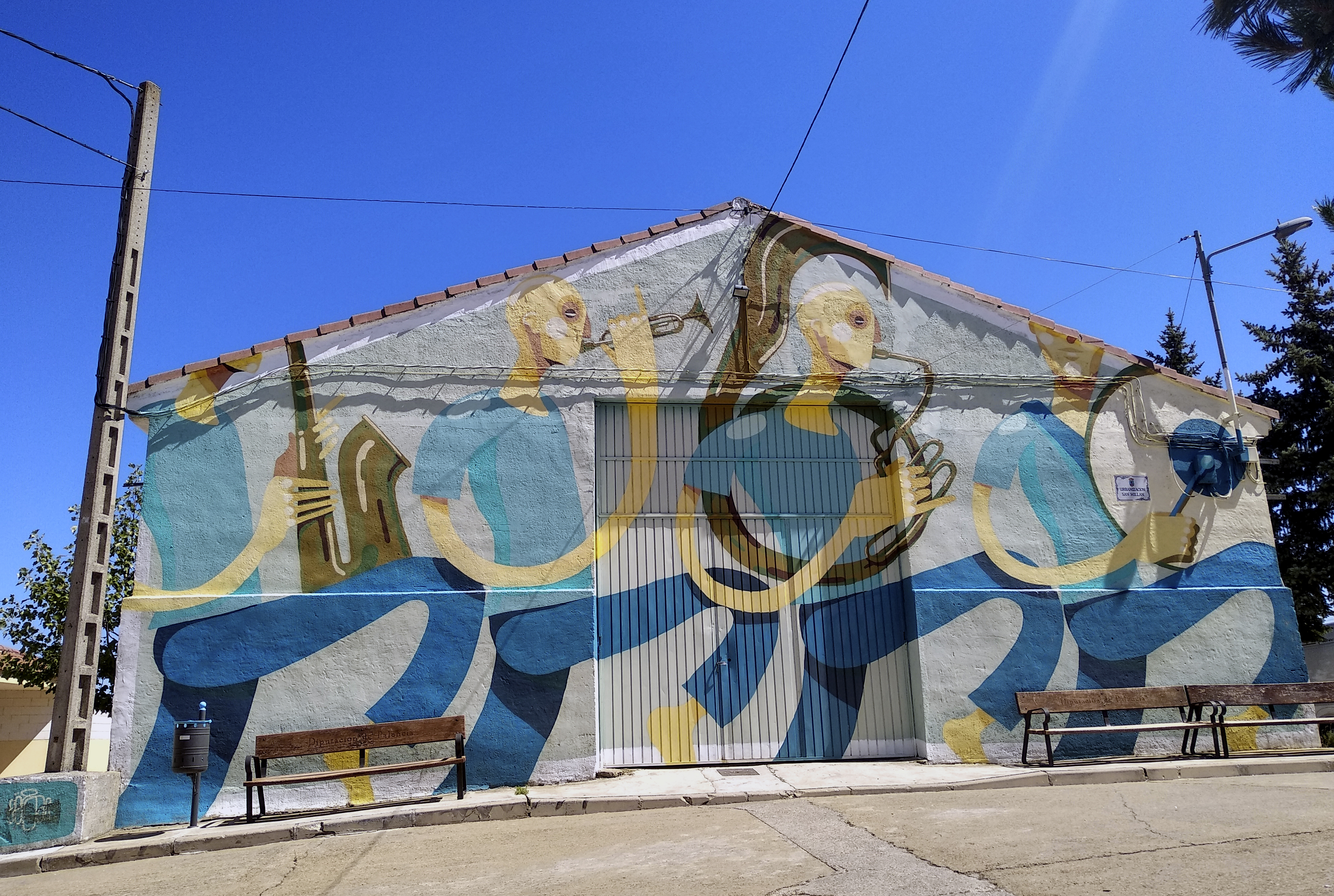
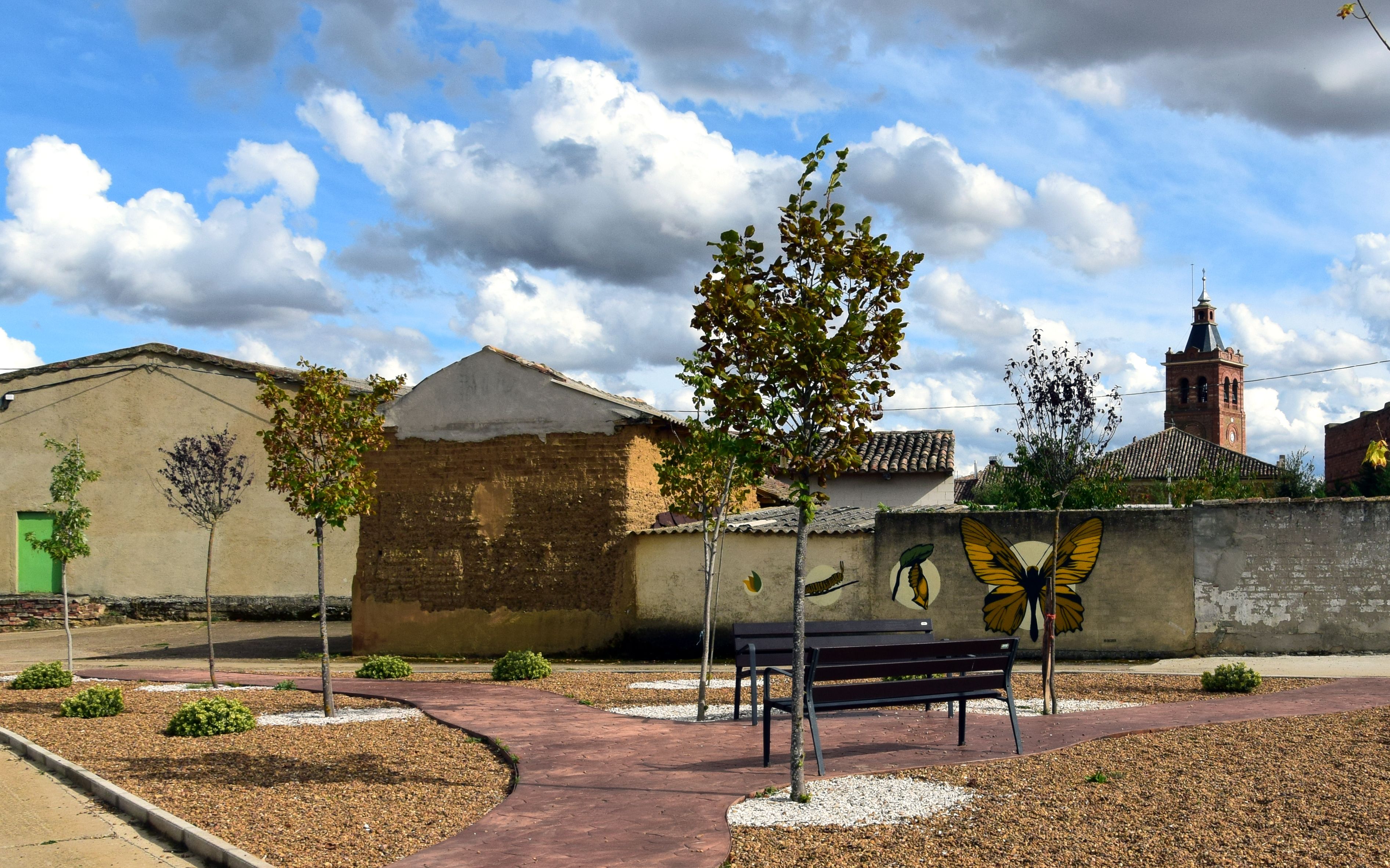
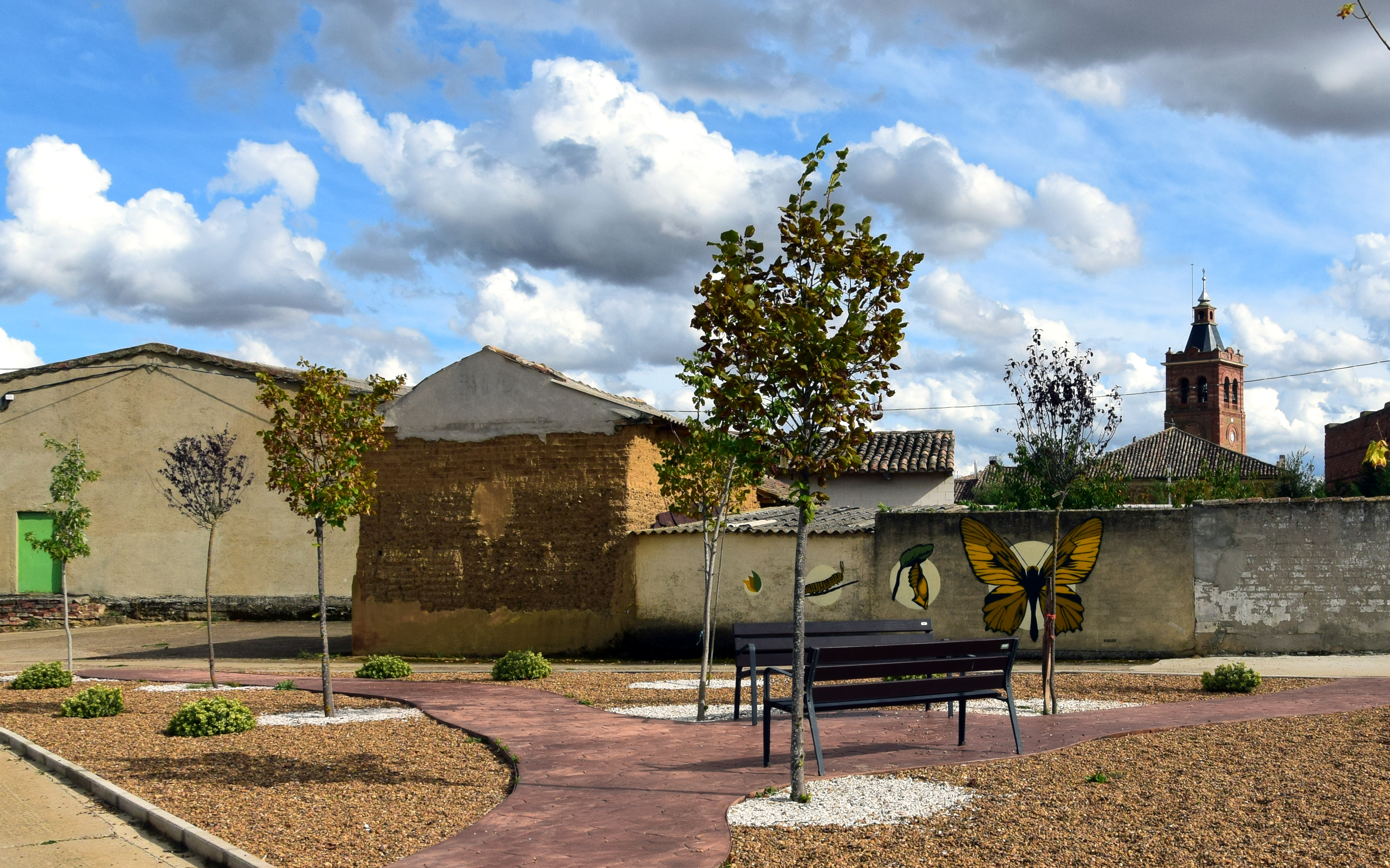
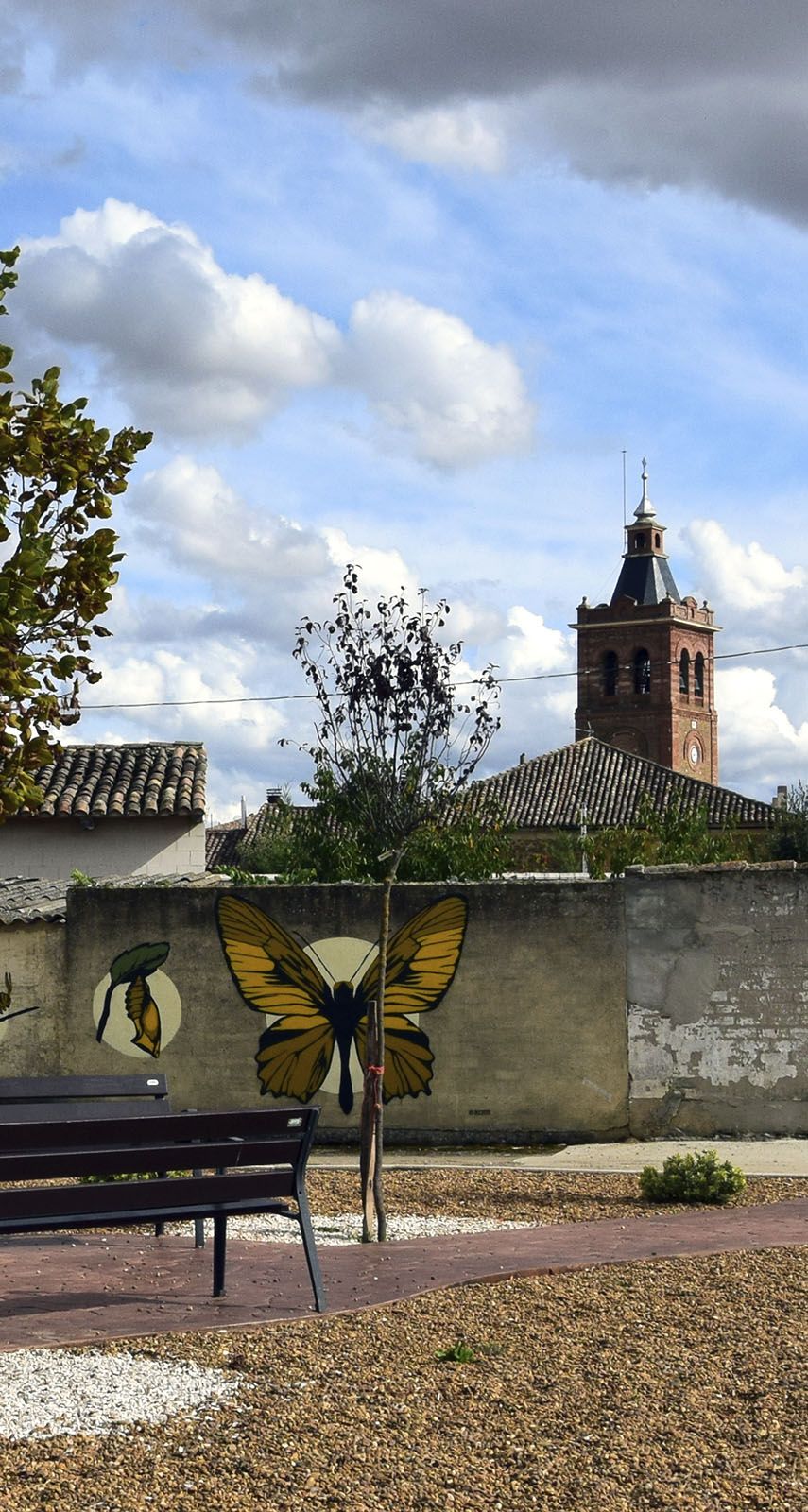
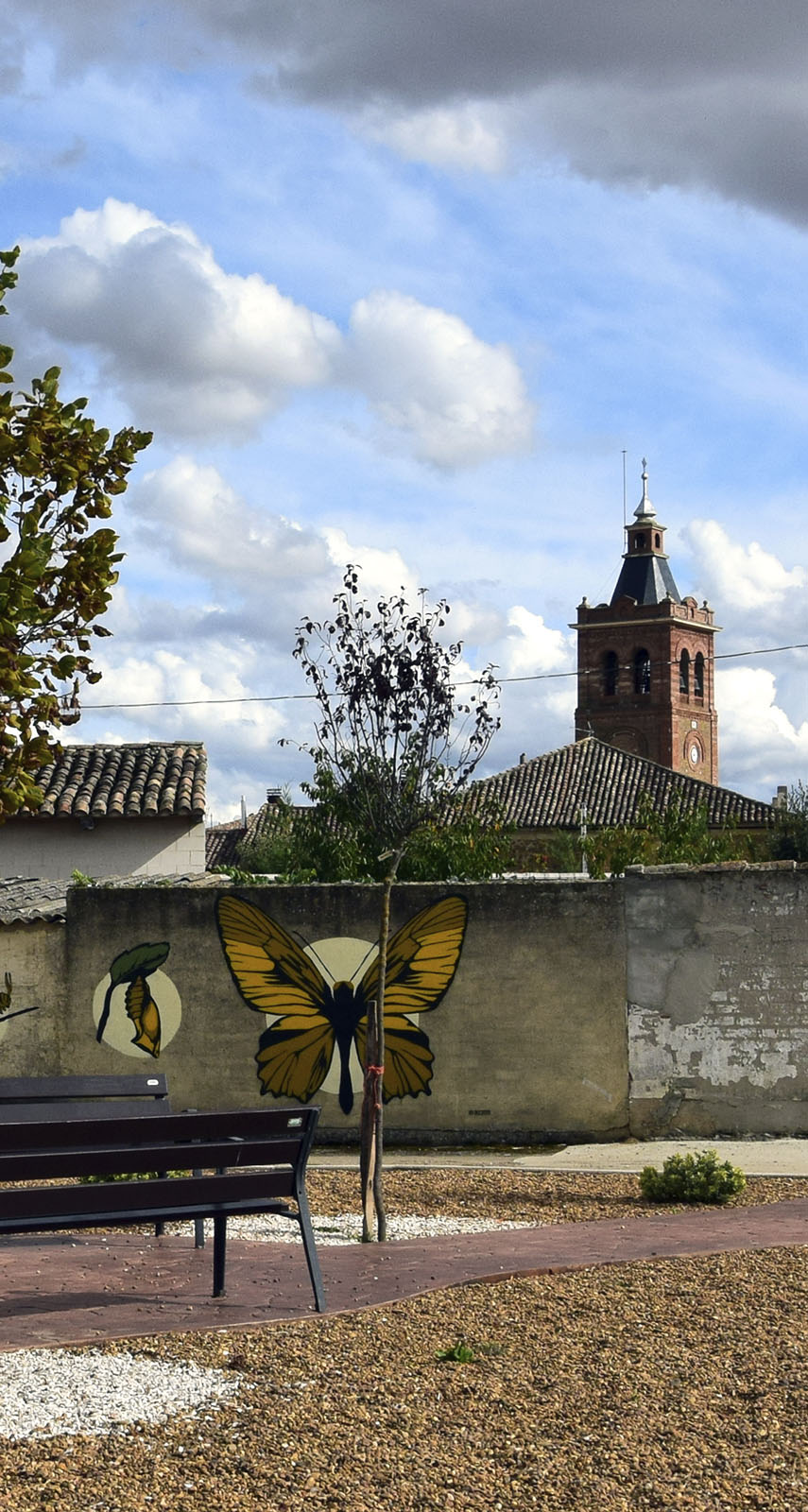
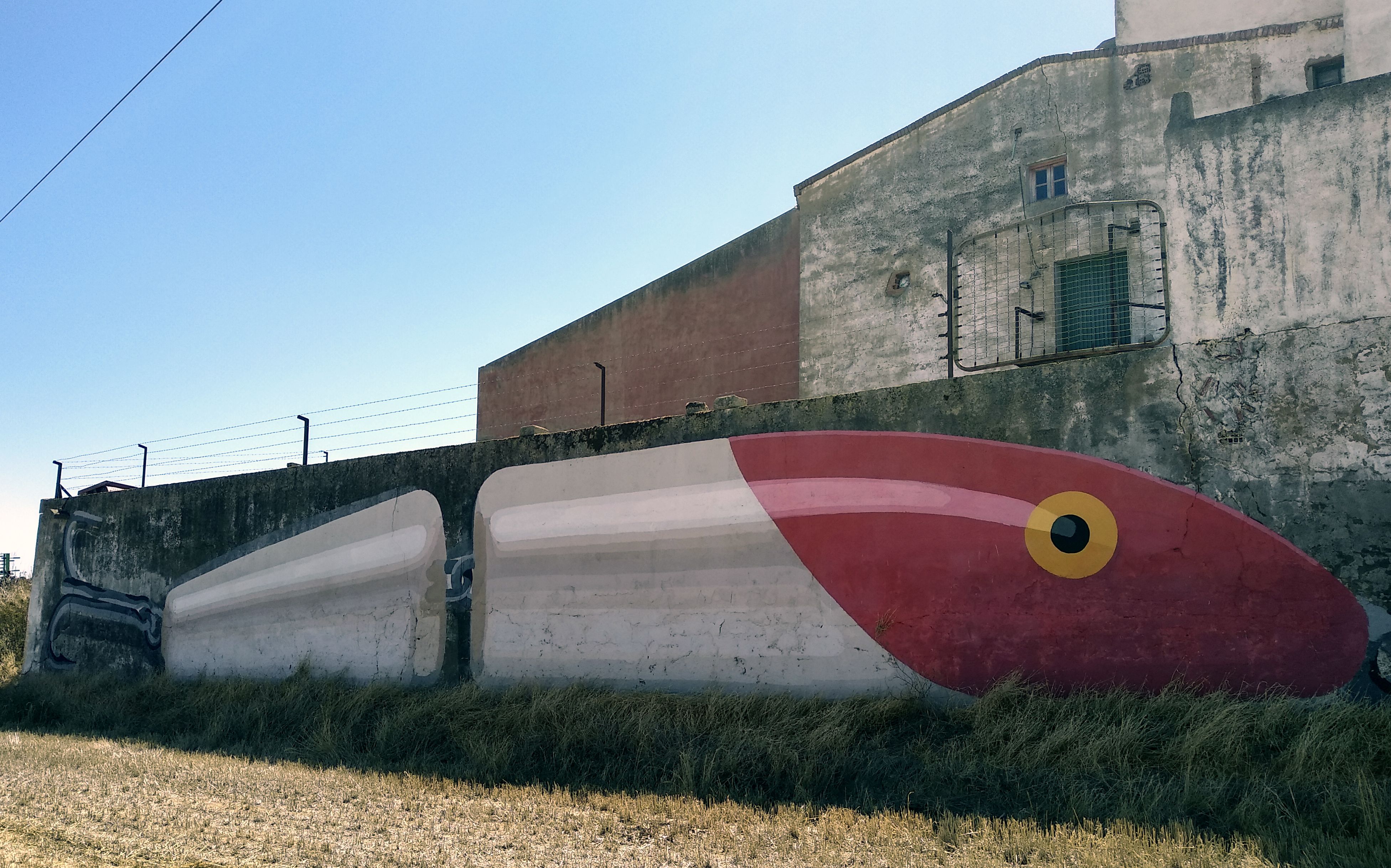
In Villaherreros, several artistic murals appear in their paintings to brighten the eye, provoke a smile, become the best background for a photograph or give food for thought. It is an initiative carried out by the Cultural Youth Association Without Borders and the City Council. Thus, in 2016 the first mural arrived, entitled "Charanga" and produced by Zësar Bahamonte, ready to cover an important façade of the municipality, that of the Panera de la Hermandad. After him appeared the art of Ampparito and his useful / useless objects, the memories of the land of Joaquinvila that, doubly, has come to remind us who we are and why we are here. Likewise, some anonymous artist has left their mark on the municipality, we have had the cycle of life from Decoma's hand, the Castilian words of El Chorro Arts and the participation of young people from the Youth Cultural Association, who have also brought out their most artistic. In October 2020, the City Council, together with the Provincial Council of Palencia and Palencia Turismo, drew up some illustrated plans that locate the 14 murals in Villaherreros to walk through this large canvas outdoors.